Buying in Coconut Creek and wondering how home insurance will impact your monthly payment? You are not alone. Florida policies can feel complicated, especially with hurricane rules, inspections, and flood zones in the mix. In this guide, you will learn the basics of HO-3 and HO-6 coverage, how Florida wind and flood risks affect premiums, and practical steps to compare monthly costs across homes or condos. Let’s dive in.
Policy basics: HO-3 vs HO-6
HO-3 for single-family homes
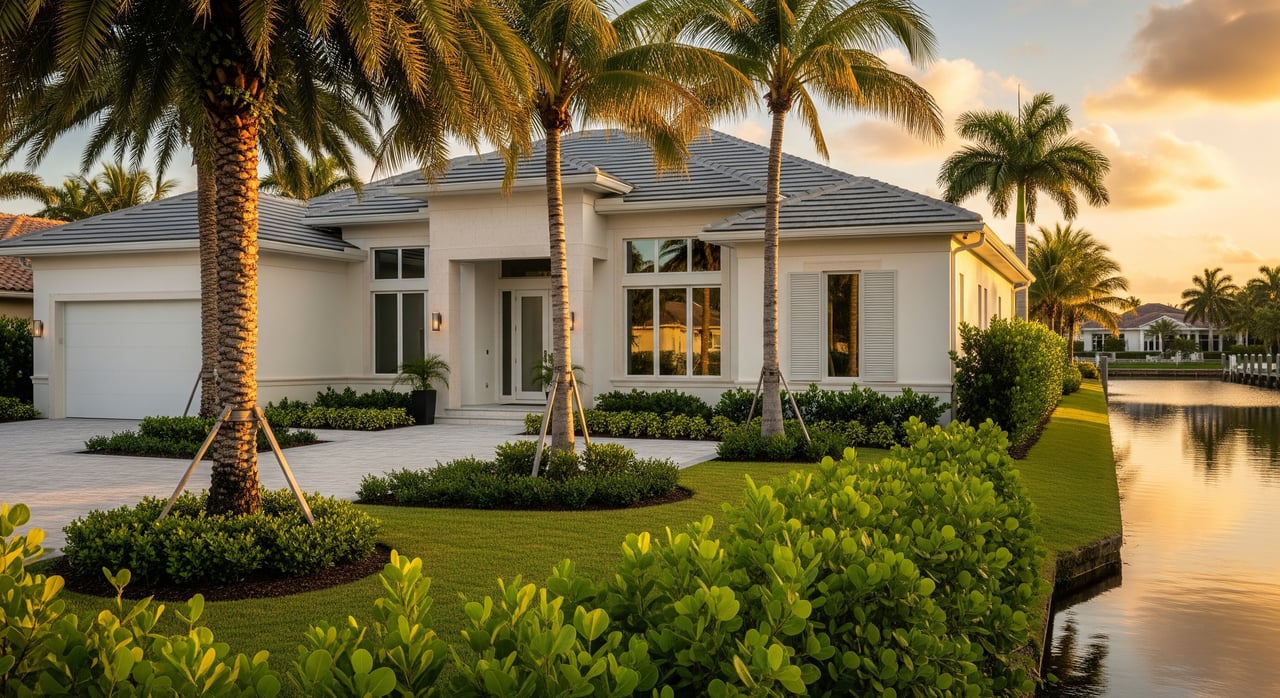
An HO-3 policy is the standard choice for most single-family homes. It usually covers the dwelling on an open perils basis, personal property on a named perils basis, personal liability, and additional living expenses if your home is uninhabitable after a covered loss. You choose limits based on the home’s replacement cost, not its market price. Review exclusions closely so you understand what is not covered.
HO-6 for condo buyers
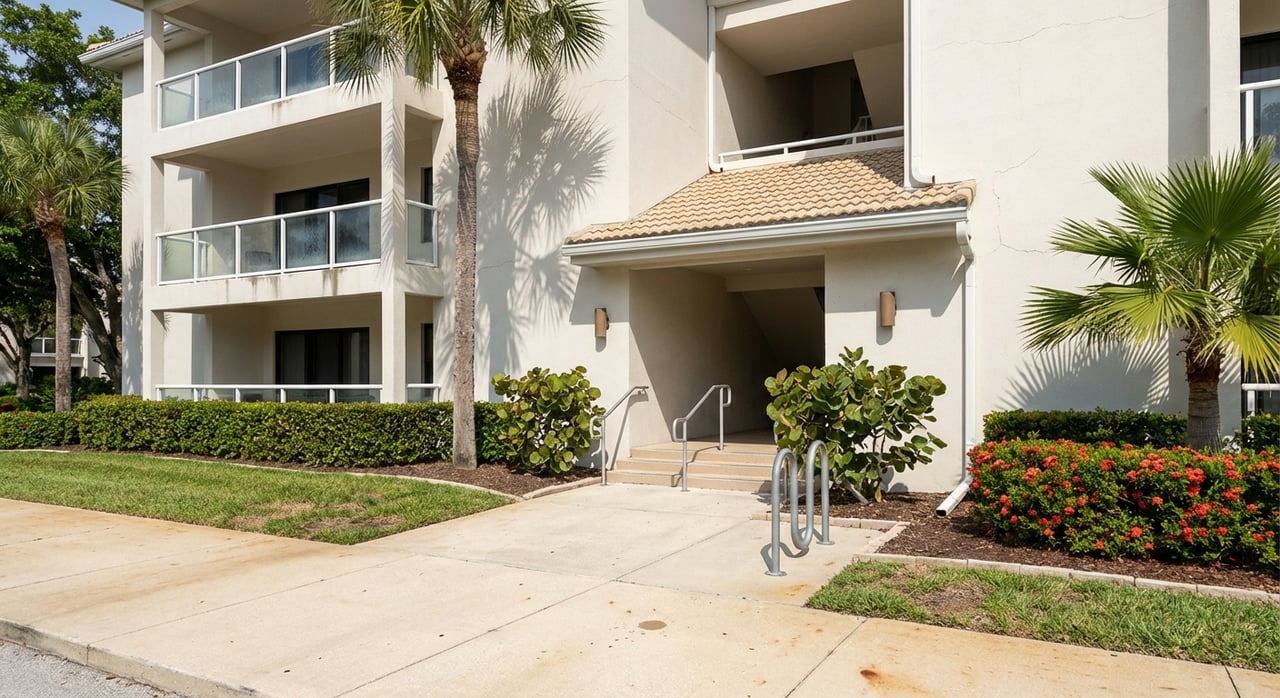
An HO-6 policy is designed for condo unit owners. It typically covers your personal property, liability, and the interior parts of your unit you are responsible for under the association’s documents. It can also include loss assessment coverage, which can help if the association issues a special assessment related to a covered loss. Your condo association’s master policy defines what it insures versus what you must insure inside your unit.
What standard HO policies do not include
Standard HO-3 and HO-6 policies do not include flood insurance. In coastal Broward, many buyers add a separate flood policy through the National Flood Insurance Program or a private insurer. Florida policies often apply a separate hurricane deductible that is a percentage of your dwelling coverage. Mold, wear and tear, and some types of sinkhole damage may be limited or excluded unless you add endorsements.
If you want a plain-English overview of consumer protections and policy types, use the Florida Department of Financial Services consumer guides. For general state oversight and carrier information, visit the Florida Office of Insurance Regulation.
- Florida Department of Financial Services consumer guides: Florida Department of Financial Services
- State consumer help and carrier search: Florida Office of Insurance Regulation
Florida and Coconut Creek requirements
Wind and hurricane context
Insurers in Florida use special underwriting and deductibles for wind and hurricane risk. In Coconut Creek, factors like distance to the coast, elevation, and compliance with modern building codes can influence eligibility and price. Many policies include a hurricane deductible, often 1 to 5 percent of the dwelling limit, which affects your out-of-pocket cost after a named storm. Understanding this deductible is key when comparing two homes with similar premiums.
Inspections insurers or lenders often require
- Wind mitigation inspection: Verifies features like impact windows or shutters, roof-to-wall connections, roof deck attachment, and secondary water resistance. Verified features can earn premium credits.
- Roof certification or roof age verification: Common if the roof is older, often 10 to 15 years or more depending on the carrier.
- 4-point inspection for older homes: Reviews roof, electrical, plumbing, and HVAC.
- Condo documentation: Associations often require owners to carry an HO-6 and provide proof of insurance. You will also want the master policy summary to confirm what the association covers.
You can confirm property records, permits, and roof details through local sources. The Broward County Property Appraiser website is useful for property characteristics, and the City of Coconut Creek can provide permitting and building department contacts.
- Property records and details: Broward County Property Appraiser
- City permits and building contacts: City of Coconut Creek
- State consumer info including wind mitigation: Florida Department of Financial Services
What drives your premium in Coconut Creek
Premiums vary across Coconut Creek based on several risk factors:
- Replacement cost of the dwelling. Higher rebuild costs lead to higher premiums.
- Construction and roof type. Concrete block construction and hip roofs can reduce risk compared to wood frame and gable roofs. Roof covering also matters.
- Roof age and condition. Newer, code-compliant roofs often receive better pricing and easier underwriting.
- Wind exposure and distance to the coast. Closer to coastal exposure can increase wind-related risk.
- Flood zone and elevation. Properties in FEMA flood zones typically need separate flood insurance, which is billed apart from your HO policy.
- Claims history and prior insurance lapses. Recent claims or gaps in coverage can raise premiums or limit carrier options.
- Credit-based insurance or underwriting scores where permitted. Some carriers use these scores when allowed by state rules.
- Security and mitigation features. Impact windows, shutters, secondary water resistance, and strong roof-to-wall connections can yield credits.
- Deductible choices. Higher deductibles reduce premium but increase your out-of-pocket costs at claim time. Hurricane deductibles are often a percentage of the dwelling limit.
To check flood risk, review the FEMA Map Service Center for the property’s flood zone and consider NFIP guidance on coverage options.
- Flood zone lookup: FEMA Map Service Center
- Flood insurance basics: National Flood Insurance Program guidance
Ways to lower your premium
Structural and mitigation steps
- Install impact-rated windows or code-compliant shutters.
- Strengthen roof-to-wall connections using approved straps or clips.
- Ensure the roof deck attachment and covering meet current code. Add secondary water resistance if possible.
- After upgrades, schedule a wind mitigation inspection to document credits for your insurer.
Roof actions
- Replace an aging roof with code-compliant materials if needed.
- Obtain a roof certification from a licensed roofer if replacement is not yet required.
Policy and purchasing strategies
- Increase your base and hurricane deductibles to lower premium, then set aside savings for potential out-of-pocket costs.
- Bundle with your auto policy to seek multi-policy discounts.
- Maintain continuous coverage and avoid small claims when possible.
- Shop multiple carriers through an independent agent and ask for written quotes with identical limits and deductibles.
- Understand admitted versus non-admitted carriers. Admitted carriers are regulated by the state and include guaranty protections. Non-admitted options may be available but come with fewer protections.
Condo-specific steps
- Get the condo association’s master policy declarations and a certificate of insurance. Confirm whether the master policy is bare walls, single entity, or all-in.
- Adjust your HO-6 limits to match your responsibility for interior finishes and improvements.
- Ask the association for recent meeting minutes that mention special assessments or insurance changes that could affect loss assessment exposure.
If you are unable to secure a private-market policy, you may explore the state’s insurer of last resort. Learn more at Citizens Property Insurance Corporation.
- Program details: Citizens Property Insurance Corporation
How to compare monthly insurance costs
Use a simple, apples-to-apples process when comparing insurance across homes or condos in Coconut Creek.
Step 1: Gather property inputs
- Replacement cost estimate for the dwelling.
- Year built, roof age and type, and construction material.
- Flood zone, elevation, and distance to shoreline from the listing map.
- Property claims history if available.
- For condos, the master policy summary and what it covers.
Step 2: Request written quotes with identical settings
Ask each carrier or agent to quote the same limits and deductibles so your comparison is clean:
- Dwelling limit based on replacement cost
- Personal property limit and deductible
- Liability limit
- Loss of use/ALE limit
- Hurricane deductible scenario, such as 2 percent versus 5 percent
- Flood quote if the property is in or near a flood zone
Step 3: Compute the monthly cost
Use a simple formula for each property:
- Monthly cost = (annual HO premium + annual flood premium, if any) divided by 12
- If you plan to escrow, add the escrow estimate to compare total monthly housing cost
Step 4: Compare net exposure
Do not stop at the monthly cost. Note each quote’s deductibles and calculate worst-case out-of-pocket after a named storm:
- Estimated hurricane deductible = hurricane deductible percent multiplied by dwelling limit
- Two homes with the same premium can produce very different hurricane deductibles
Quick buyer checklist
- Ask the seller for any recent wind mitigation inspection, roof certification, and the property’s claims history.
- Pull a FEMA flood map for the address and request NFIP or private flood quotes if needed: FEMA Map Service Center and FloodSmart.
- Get at least three comparable quotes with identical limits and deductibles.
- For condos, collect the association’s master policy declarations, certificate of insurance, and recent meeting minutes for any insurance-related assessments.
- Verify permits and roof details through local records: Broward County Property Appraiser and City of Coconut Creek.
- Review consumer resources for Florida-specific guidance: Florida Department of Financial Services and Florida Office of Insurance Regulation.
Your next step
Insurance affects both your monthly payment and your risk after a storm. The right policy structure and credits can make a real difference in Coconut Creek. If you want help organizing quotes while you shop homes and condos, our team can guide you through the process and coordinate with local pros so you feel confident at closing.
Have questions about a specific property or condo association in Coconut Creek or nearby Broward neighborhoods? Connect with the local team at Max C&T Realty for hands-on guidance and a clear plan from offer to insurance bind.
FAQs
What is the difference between HO-3 and HO-6 in Florida?
- HO-3 is typical for single-family homes and covers the structure on an open perils basis, while HO-6 is for condo unit owners and focuses on interior “walls-in” coverage, personal property, liability, and loss assessment.
Is flood insurance included in a homeowners policy in Coconut Creek?
- No. Standard HO-3 and HO-6 policies exclude flood, so you would need a separate NFIP or private flood policy if your property is in a FEMA flood zone or you want flood protection.
How do hurricane deductibles work on Florida policies?
- Many policies apply a separate hurricane deductible as a percent of your dwelling limit, which only applies after a named storm and can be a significant out-of-pocket cost.
What is a wind mitigation inspection and why does it matter?
- It documents features like impact windows, shutters, roof-to-wall connections, and secondary water resistance; insurers often provide credits based on a verified wind mitigation report.
Which inspections might my insurer or lender require in Coconut Creek?
- Common requests include a wind mitigation inspection, roof certification for older roofs, and a 4-point inspection on older homes; condo buyers also need association insurance documents.
How do I estimate my monthly insurance for a specific home or condo?
- Add the annual homeowners premium and any flood premium, then divide by 12 to get the monthly figure; also compare hurricane deductibles to understand your potential out-of-pocket after a storm.
Where can I verify flood zones and find official insurance guidance?
- Use the FEMA Map Service Center for flood zones, FloodSmart for NFIP details, and state guidance from the Florida Department of Financial Services.