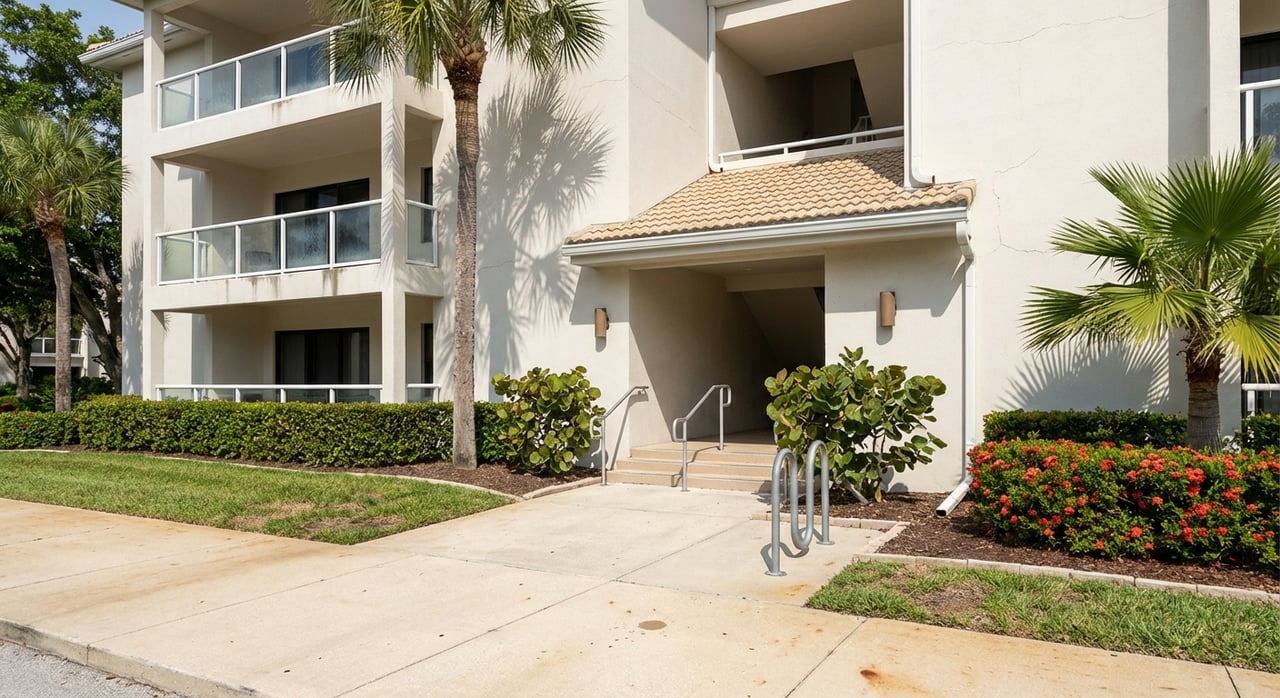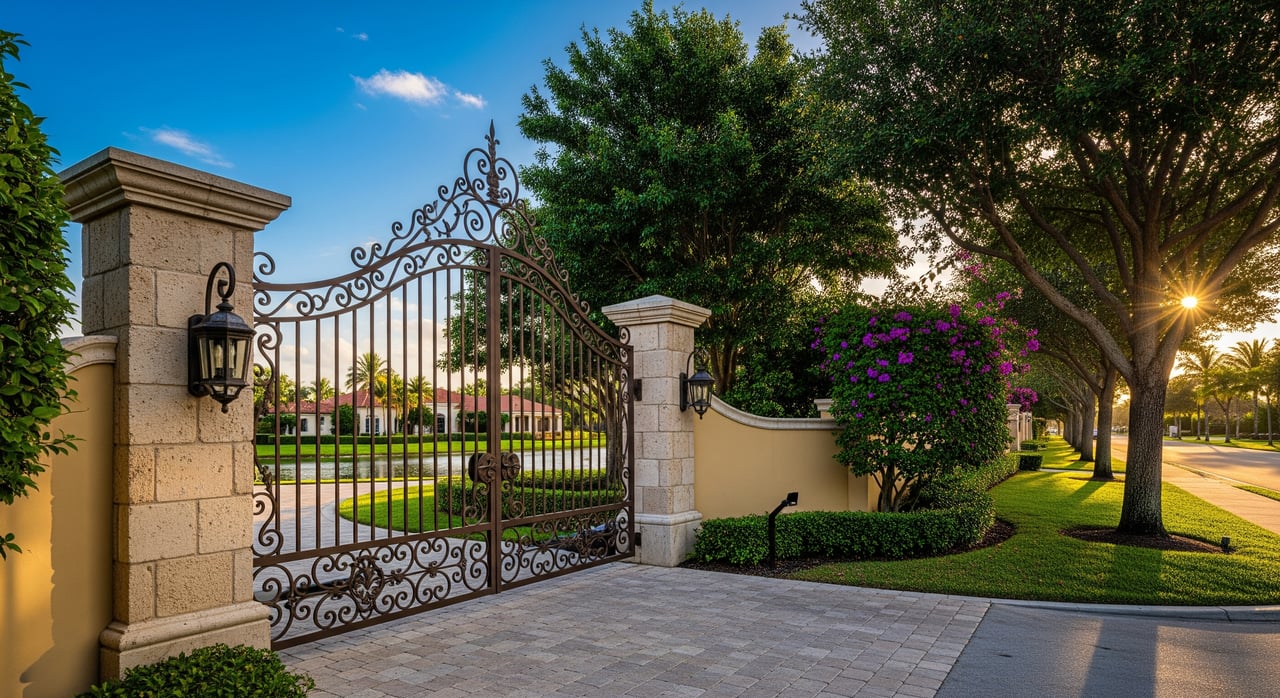
Gates or no gates? If you are exploring Boca Raton neighborhoods, that single choice shapes your daily routine, costs, and even your insurance planning. You want a home that fits your lifestyle and budget while giving you peace of mind in South Florida’s unique climate. In this guide, you will learn how gated and non-gated communities compare on security, traffic, amenities, fees, resale, and storm readiness, plus a checklist and quick worksheet to help you decide. Let’s dive in.
Boca Raton basics to consider
Boca Raton attracts retirees, families, seasonal residents, and luxury buyers. Each group values different things, from privacy and on-site amenities to walkability and easy visitor access. South Florida’s climate adds another layer: wind, flood, and storm surge risks. Review flood zones and elevations early using the FEMA Flood Map Service Center and regional projections from the NOAA Sea Level Rise tools.
Florida communities are often governed by associations. Homeowners’ associations follow Florida Statutes Chapter 720, and condominiums follow Chapter 718. Rules for budgets, reserves, meetings, and disclosures vary by association and affect your costs and rights. Gated communities with private roads also manage access and maintenance differently than public-street neighborhoods.
Emergency access is essential. Local gates must allow first responders fast entry. You can verify standards and ask questions with Boca Raton Fire Rescue.
Security and safety
Gated communities control vehicle and visitor entry, which can deter casual intrusions and reduce cut-through traffic. Some contract security personnel or camera monitoring, while others rely on gate systems alone. Still, no gate eliminates risk. Internal lighting, management quality, and neighbor vigilance matter in both gated and non-gated areas.
Non-gated neighborhoods lean on public visibility, patrols, and neighborhood watch culture. Rather than assuming a gate equals lower crime, compare actual data for target neighborhoods using resources from the Boca Raton Police Department. Ask how often incidents occur inside the community versus nearby areas, and whether gates are staffed, automated, or both.
Key questions to ask:
- Who operates the gate and when is it staffed?
- Are there cameras or roving security, and how are incidents handled?
- How do first responders access the community during emergencies?
Traffic and access
Gated entries often reduce speeding and cut-through traffic inside the neighborhood. That can feel calmer for walking, jogging, and biking. However, gate lines can form during rush hours or events if entry systems are slow or if guest lists are not well managed.
Non-gated neighborhoods typically offer simpler access for guests, deliveries, rideshare, and service vehicles. You may have multiple routes to major roads, which can improve drive times during peak traffic. In Boca Raton, look at your connection to I-95, Federal Highway/A1A, Glades Road, and Yamato Road. If you are considering a gated community, visit during morning and evening peaks and note any backups or visitor delays.
Key questions to ask:
- How do gate operations affect daily commutes and visitors?
- Is there more than one exit for emergencies or large events?
- What are the community rules for guest parking and service vehicles?
Amenities and lifestyle
Gated communities often bundle amenities like pools, clubhouses, fitness centers, tennis or pickleball, and sometimes golf. You may find curated social programming on-site, which can be valuable if you want an active, connected lifestyle. Confirm what is included versus separate private club dues.
Non-gated neighborhoods can still offer strong lifestyle value through municipal parks, beaches, and recreation. In Boca Raton, many public amenities are easy to reach regardless of gate status. If you prize walkability, restaurants, and public access to parks and the beach, a non-gated area near those amenities can be a great fit.
Key questions to ask:
- Which amenities are included, and which require extra membership?
- How are facilities maintained, and what do reserve plans look like?
- Are there age or time restrictions for certain amenities?
Costs, HOAs, and assessments
Gated communities often have higher recurring HOA or master association fees. Those fees cover gate operations, security contracts, landscaping, private road upkeep, and amenity maintenance. Fees vary widely by community size and service level.
Non-gated areas can have lower or no HOA fees, but you may need to manage your own yard, exterior maintenance, and security systems. Whether gated or not, all buyers should review financials. Florida law outlines many association rights and disclosures in Chapter 720 for HOAs and Chapter 718 for condos, but the quality of financial reporting and reserves can vary.
Key questions to ask:
- How much are the monthly or quarterly fees, what do they cover, and when were they last increased?
- Are there pending capital projects or litigation that could trigger special assessments?
- How healthy are reserves, and is there a recent reserve study?
Resale and buyer pool
Gated living tends to attract buyers who value privacy, controlled access, and bundled amenities. This can support premiums in certain price tiers, especially in luxury segments, but the buyer pool may be narrower due to higher fees and stricter rules.
Non-gated neighborhoods may appeal to buyers who prioritize walkability, lower fees, and flexible visitor access. In Boca Raton, proximity to the beach, golf, employment centers, and schools influences resale regardless of gates. If you are comparing options, look at recent sales and days on market within both gated and non-gated areas that match your price range and location needs.
Key questions to ask:
- How do similar homes in nearby gated and non-gated areas perform on days on market and price per square foot?
- Do rental policies in the community support or limit investor interest?
- Are rules friendly to the buyer audience you expect at resale?
Insurance and storm readiness
Florida’s insurance market has shifted, and premiums can vary by elevation, mitigation features, and association policies. Get quotes early for homeowner and flood insurance, even if the home is outside a mapped flood zone. Start with the Florida Office of Insurance Regulation for market guidance and explore programs like Citizens Property Insurance Corporation when private carriers are limited.
Use the FEMA Flood Map Service Center to confirm flood zones and request elevation certificates when available. Review regional sea-level and surge scenarios with the NOAA Sea Level Rise tools. Ask how the association handles drainage, road maintenance, and storm plans. If gates fail without power, confirm the community has backup power and responder overrides through systems vetted by Boca Raton Fire Rescue.
Key questions to ask:
- What does the association’s master policy cover, and what is your responsibility as the owner?
- What are wind and hurricane deductibles, and how would they apply after a storm?
- Does the community have an emergency plan and generator power for key systems?
Buyer due diligence checklist
Request these documents and confirmations before you commit:
HOA or condo documents
- CC&Rs, Bylaws, and Rules and Regulations
- Current budget, latest reserve study, and audited financials if available
- Assessment history for at least five years
- Board meeting minutes for the last 6 to 12 months
- Master insurance declarations, including wind and hurricane deductibles
- Key contracts: security, gate maintenance, landscaping, pool management
- Pending or threatened litigation disclosures
- Guest and parking policy, leasing and rental rules, and pet policies
Physical and safety checks
- Gate access systems and emergency responder protocols
- Condition of roads, lighting, signage, and drainage
- Elevation certificate and flood zone confirmation; ask about past flood claims
- Wind mitigation features, such as impact windows and shutters
Insurance and financial planning
- Quotes for homeowner and flood insurance based on the property’s specifics
- Clarify master policy coverage versus owner responsibilities
Market and resale checks
- Recent comparable sales within the same community and nearby alternatives
- Rental history and trends if you plan to rent, subject to community and city rules
Operations and quality of life
- Typical gate wait times at peak hours
- Delivery, trash pickup, and mail carrier access procedures
- Management company background and responsiveness
Property records and flood maps can help you verify details. Use the Palm Beach County Property Appraiser for parcel data and the Palm Beach County GIS for mapping resources.
Quick priority worksheet
Use this simple worksheet to compare your personal priorities with what each community type offers.
Instructions:
- Rate each category from 1 to 5, where 1 is not important and 5 is essential.
- Multiply by the suggested weight if you want a more precise score.
- Add up totals to see which community style better fits your needs.
Suggested categories and weights:
- Security and privacy (weight 1.2)
- Low traffic and child safety (weight 1.0)
- On-site amenities such as clubhouse or golf (weight 1.0)
- Lower recurring costs or no HOA (weight 0.9)
- Resale flexibility and broader buyer pool (weight 1.1)
- Walkability and public access to shops and parks (weight 1.0)
- Ease of deliveries and rideshare access (weight 0.8)
- Storm readiness and emergency access (weight 1.0)
- Short-term rental flexibility (weight 0.8)
- Community aesthetics and landscaping (weight 0.7)
Interpretation:
- Higher totals signal stronger emphasis on those features. If you score highest on security, low traffic, and on-site amenities, a gated community may fit. If you score highest on walkability, low fees, and flexibility, a non-gated area may be the better match.
How to choose in Boca Raton
Start with your daily life. Do you want convenient on-site amenities and controlled access, or do you prefer easy guest arrivals and public parks and beaches at your doorstep? Then layer in budget and fees, commute routes, and insurance quotes. Finally, review HOA documents and storm plans to confirm the community is well run.
If you are still torn, tour both styles at different times of day. Check a gated entrance during rush hour, and try a weekend in a non-gated neighborhood near your favorite shops or the beach. A little fieldwork now can save you from everyday frustrations later.
Ready to compare specific Boca Raton communities and review HOA documents and insurance considerations with a local pro? Reach out to Max C&T Realty for hands-on buyer representation, neighborhood insights, and a clear plan that fits your goals.
FAQs
Are gated communities safer in Boca Raton?
- Gates can deter casual intrusions, but no system eliminates risk; review local data from the Boca Raton Police Department, lighting, staffing, cameras, and neighbor vigilance before deciding.
Do gates slow emergency response in Boca Raton?
- Gated communities are required to provide rapid responder access; confirm the gate’s override systems and backup power with management and reference standards from Boca Raton Fire Rescue.
How do HOA fees compare for gated vs non-gated areas?
- Gated communities often charge more to cover gates, security, private roads, and amenities; non-gated areas can have lower or no fees, but you may handle more maintenance yourself.
What insurance should Boca Raton buyers consider?
- Obtain homeowner and flood insurance quotes early, check flood zones with the FEMA Flood Map Service Center, and review market guidance from the Florida Office of Insurance Regulation and Citizens Property Insurance.
Do gated communities boost resale value in Boca Raton?
- Sometimes, especially in segments where buyers value privacy and amenities; compare recent comps and days on market for similar homes in both gated and non-gated areas before deciding.
How do gates affect daily commutes and deliveries?
- Gates can reduce interior traffic but may create entry lines at peak times; test your route at rush hour and ask about guest passes, delivery access, and multiple exits for busy days or emergencies.