Torn between the beach vibe and the suburban space in Boca Raton? You are not alone. Many buyers and sellers compare east and west Boca to find the right fit for lifestyle, budget, and long-term plans. In this guide, you will learn how the two areas differ on homes, price patterns, schools, commutes, flood and insurance, and everyday living so you can make a confident choice. Let’s dive in.
How locals define east vs west
Locals often use simple landmarks to describe the split. East Boca generally means neighborhoods near the coast, the downtown corridor, and areas east of U.S. 1 and I‑95. West Boca refers to inland communities within the city and nearby unincorporated areas where most master-planned neighborhoods sit.
There is no single official boundary, and definitions can vary by block. The city’s planning materials show a denser coastal core and lower-density residential areas inland. For orientation resources and maps, start with the City of Boca Raton.
Why it matters: east versus west signals the type of homes you will see, how walkable an area feels, your flood and insurance profile, and your likely commute.
Homes and prices: what to expect
East Boca housing
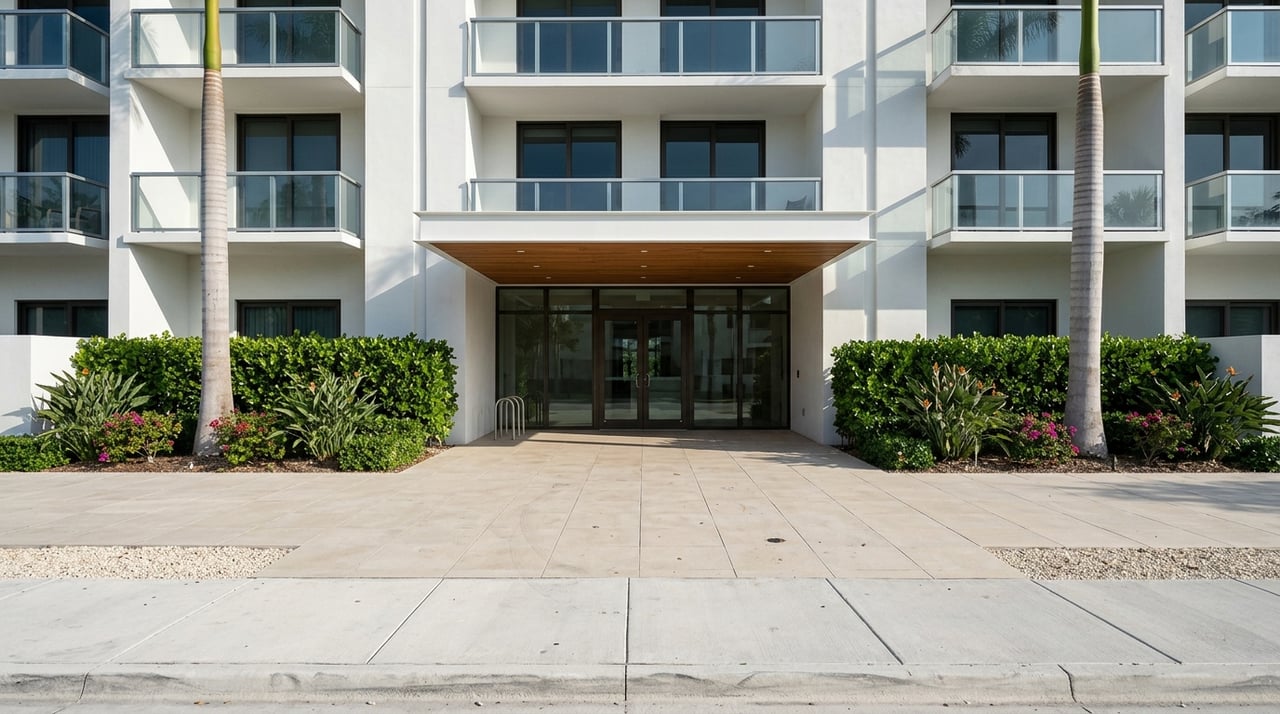
In east Boca, you will find many condominiums, including mid and high-rise buildings near the beach and downtown. There are also established garden-style condos, luxury properties near Mizner Park, and waterfront single-family homes along the Intracoastal with boating access. Inventory skews condo heavy, and many buyers prioritize location and views.
West Boca housing
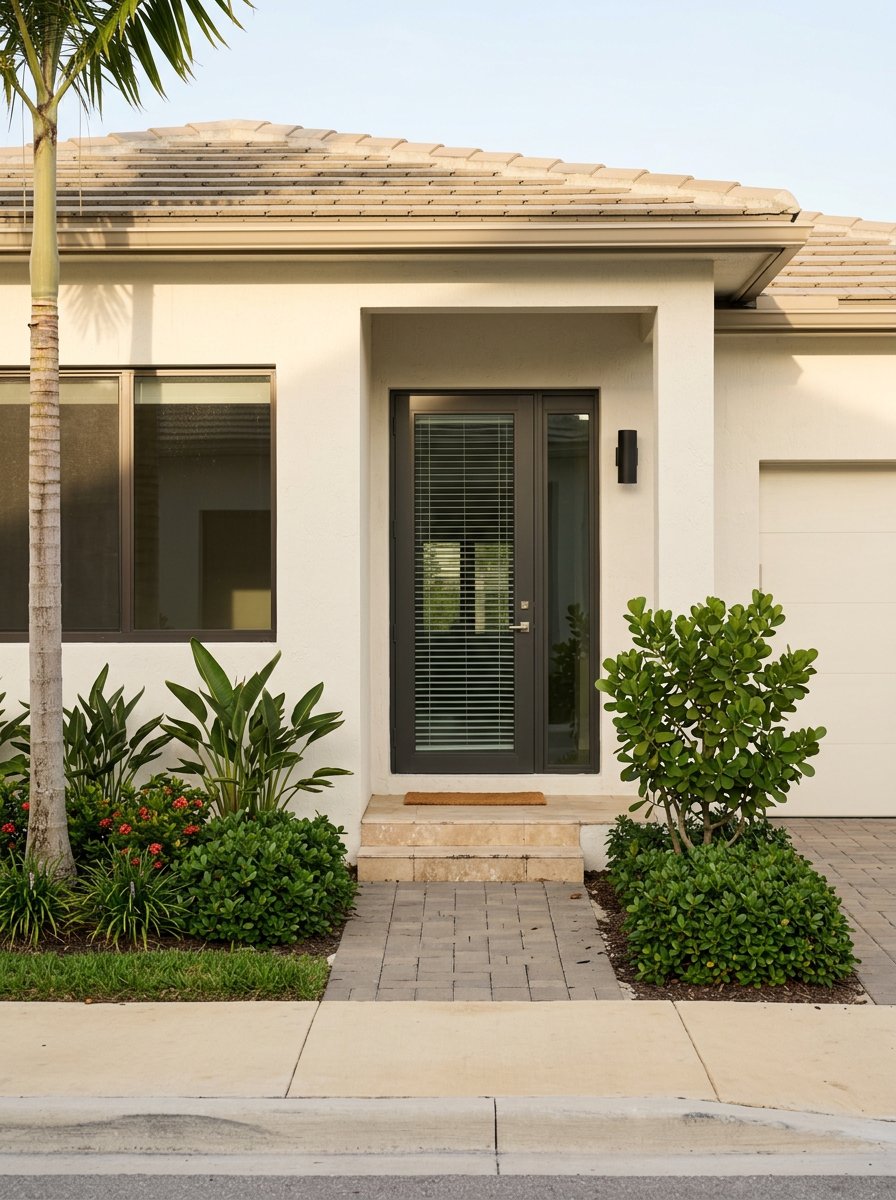
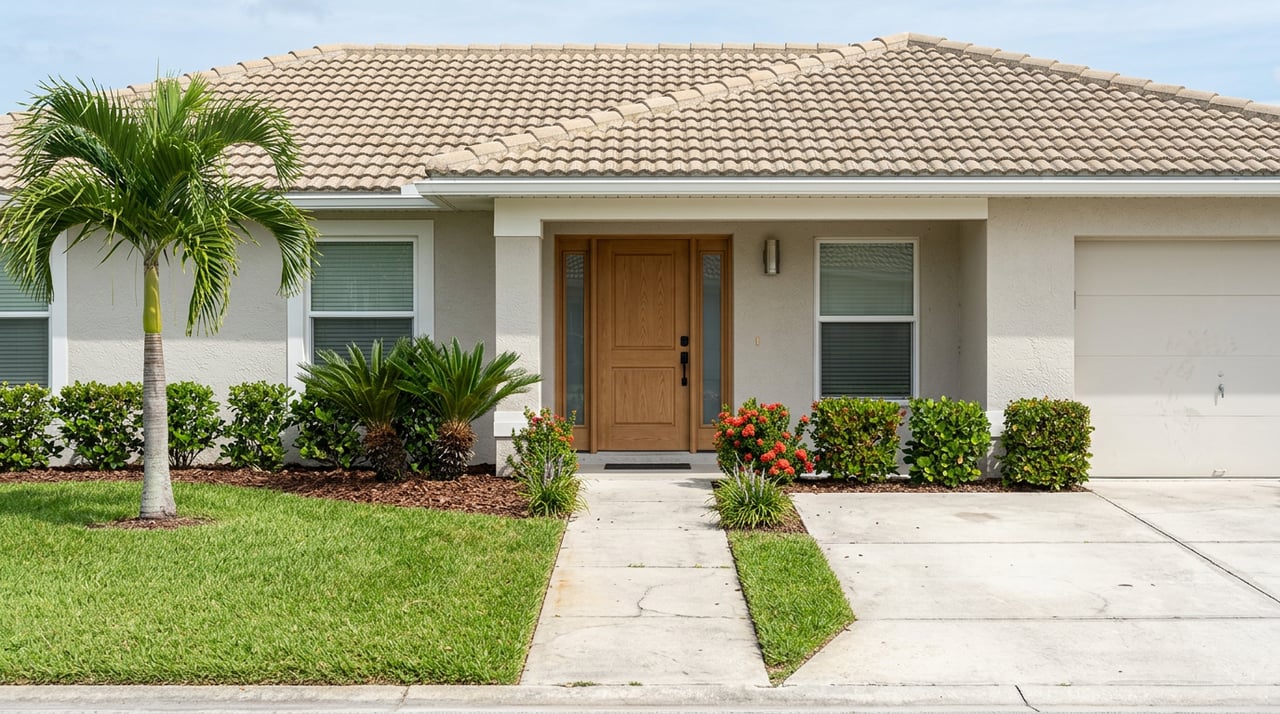
West Boca leans suburban with a large share of single-family homes in gated and non-gated communities. You will see newer construction, larger yards, and townhomes or mid-range condo developments in master-planned areas with pools, playgrounds, and HOA amenities. Buyers often compare square footage, yard size, and community features when choosing among west-side options.
Price patterns and trends
Coastal proximity typically commands a premium. For similar bedroom counts or square footage, east-side properties, especially waterfront and downtown condos, tend to have higher per-square-foot prices compared to inland neighborhoods. Since 2020 the region saw rapid appreciation, then some softening in 2023 and early 2024, yet premiums for prime east locations have remained resilient. For your specific price band and property type, check recent sales and active listings or request a tailored analysis.
Lifestyle and amenities
East Boca: beach and downtown access
If you value walkability to restaurants, cultural venues, and the beach, east Boca delivers. You will find Mizner Park, waterfront dining, marina access, and resort amenities. Daily life here often means shorter trips to the ocean, more pedestrian activity, and a vibrant dining and arts scene.
West Boca: suburban space and community perks
West Boca offers larger parks, community recreation centers, and newer shopping centers. Master-planned neighborhoods commonly include clubhouses, pools, tennis, and HOA programming. Daily routines feel more residential and car oriented, with plenty of neighborhood-level conveniences.
Schools and zoning basics
Boca Raton is served by the School District of Palm Beach County. Public school assignments depend on your specific address, and zones can change. Before you commit to a property, verify the current school assignment using the School District of Palm Beach County tools, and review performance data from the Florida Department of Education school grades.
Families who want larger yards or specific attendance zones often explore west-side communities. Those who prioritize beach and downtown proximity sometimes choose east areas or consider private options. Always confirm school details directly with the district for the address you are evaluating.
Commute and transportation
Boca is primarily car oriented. Major roads include I‑95, Federal Highway, Glades Road, Yamato Road, and Palmetto Park Road. East Boca makes walking or biking to downtown and beach destinations easier. West Boca can offer straightforward driving access across suburban corridors and to western job centers, depending on where you work.
Public transit is available through Palm Tran bus service. For a broad view of local commuting patterns, the U.S. Census American Community Survey commute data is a useful reference when comparing typical travel times and modes.
Flood, insurance, and total cost of ownership
Coastal properties face higher exposure to storm surge and often sit in stricter FEMA flood zones. That can mean higher flood insurance costs, more mitigation requirements, and greater exterior maintenance due to salt air. Inland neighborhoods tend to be at lower coastal surge risk, though localized flood zones still exist along canals and low-lying areas. Always review the FEMA Flood Map Service Center for a property’s specific flood designation.
Property taxes vary by assessed value and exemptions. East-side properties, especially in premium coastal locations, often have higher assessed values, which can translate to higher tax bills. For parcel lookups and assessed values, use the Palm Beach County Property Appraiser.
HOA or condo fees differ widely. East high-rise condos may include significant association fees for amenities, reserves, and common-area insurance. West single-family neighborhoods may have moderate HOA dues, with gated or resort-style communities carrying higher fees for expanded amenities.
Which side fits your goals?
Consider your top priorities, then weigh the tradeoffs.
- Choose east if you value walkable access to beaches, Intracoastal boating, and downtown dining and culture, and you are comfortable with condo living or premium single-family locations.
- Choose west if you want more interior space and yard for the price, newer construction in master-planned settings, and community amenities like pools and playgrounds.
- If you are budget sensitive on a per-square-foot basis, you may find more options to the west. If view and location are the priority, the east-side premium can make sense long term.
Quick buyer checklist
- Define your boundary: use city maps and drive east and west corridors at your typical commute time. Start with the City of Boca Raton to orient yourself.
- Compare homes apples to apples: condo versus condo, single-family versus single-family, similar bed and bath counts.
- Verify schools and zones: confirm attendance areas through the School District of Palm Beach County and review state-reported data via the Florida Department of Education school grades.
- Check flood and insurance: look up the address on the FEMA Flood Map Service Center and get insurance quotes early.
- Review taxes and HOA: estimate taxes using the Palm Beach County Property Appraiser and request full HOA or condo documents.
- Test your commute: review routes and explore Palm Tran bus service if transit access matters.
Tips for sellers
- East-side sellers: highlight walkability to beaches and downtown, water access, views, and building amenities. Be ready to discuss association reserves, special assessments, and recent building updates.
- West-side sellers: showcase interior space, yard size, parking, community amenities, and any recent mechanical or roof upgrades. Provide HOA details and neighborhood perks that speak to everyday convenience.
Ready to compare homes side by side and run a total cost of ownership for your shortlist? Connect with Max C&T Realty for a hyperlocal plan that fits your budget and goals.
FAQs
What counts as east vs west in Boca Raton?
- Locals typically consider east Boca the coastal and downtown corridor near U.S. 1 and I‑95, and west Boca the inland suburban communities; there is no single official boundary, so verify neighborhoods on the City of Boca Raton website.
How do condo fees compare between east and west Boca?
- East high-rise and luxury condos often have higher monthly fees to cover amenities and building insurance, while west townhomes and condos may be mid range, though costs vary widely by association and amenities.
Is flood insurance more common in east Boca Raton?
- Many coastal and Intracoastal properties fall in higher FEMA flood zones, which can trigger lender-required flood insurance; always confirm a property’s designation on the FEMA Flood Map Service Center.
How do commutes differ between east and west Boca?
- East offers shorter trips to the beach and downtown, while west can be efficient for suburban corridors and western job centers; for a broader view of travel patterns, consult the American Community Survey commute data.
Which schools serve east and west Boca neighborhoods?
- Assignments vary by address across Boca Raton; use the School District of Palm Beach County boundary tools to verify current attendance zones and check the Florida Department of Education school grades for performance data.