Thinking about buying your first rental in Fort Lauderdale? You are not alone. Rents sit in the high two-thousands, but rising costs like insurance and HOA dues can squeeze returns if you do not model them early. In this guide, you will get current rent ranges, neighborhood notes, and simple, local-first underwriting steps with two quick examples. Let’s dive in.
2026 snapshot: rents and vacancy
Citywide asking rents are currently in the high two-thousands. According to the latest city summary, RentCafe reports an average apartment rent of about $2,784 per month. Zillow’s local indicators show typical asking rents around $2,730 to $2,750 and a typical home value near $500,000, which helps set broad expectations for entry-level condos and single-family rentals.
Neighborhood dispersion is wide. Redfin’s rental trends for Fort Lauderdale show medians that vary a lot by area, from lower-priced pockets to premium areas near downtown and the beach.
Vacancy has been mixed across South Florida. A large pipeline of new apartments in the Miami–Fort Lauderdale area has kept near-term rent growth modest in new-construction clusters, as noted in MIAMI REALTORS metro pipeline updates. Broader Florida vacancy research also shows the metro’s vacancy rose in 2023 and 2024 as supply delivered. The practical takeaway for small landlords: newer towers face more competition and concessions, while well-kept workforce housing often holds steadier.
Rent ranges by bedroom
Use these citywide asking ranges as a starting point when you price a unit. Always confirm with recent comps for the specific building or block.
- Studio: about $1,900 to $2,400 per month
- 1 bedroom: about $2,100 to $2,700 per month
- 2 bedroom: about $2,700 to $3,400 per month
- 3 bedroom or small family house: about $3,200 to $4,000+, depending on location and condition
These align with the current averages and medians shown by RentCafe and Zillow. One and two bedrooms dominate near downtown and Flagler Village. Three bedroom single-family rentals draw steady interest from long-term tenants in mid and north Fort Lauderdale.
Neighborhood notes for steady tenants
Every neighborhood has a different rent-to-price profile and tenant mix. Here is a quick, practical guide to areas that small investors often consider.
Downtown and Flagler Village
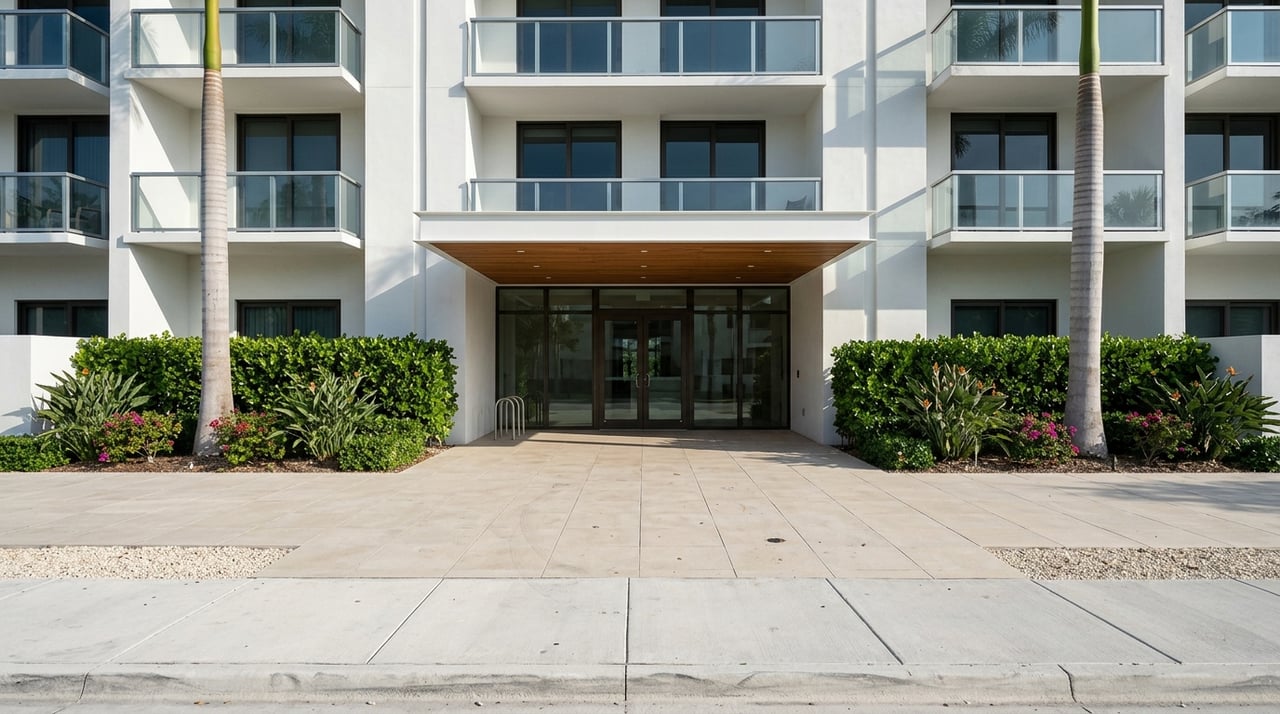
Close to jobs, transit, and amenities, with many newer apartment buildings and condos. Asking rents tend to sit above the city average. Leasing depth is strong, but you should watch competitive supply and concessions, especially in newer buildings.
Victoria Park, Sailboat Bend, Tarpon River, Colee Hammock
Close-in neighborhoods between downtown and the beach with a mix of small condos and single-family rentals. These areas attract long-term renters who want access to parks, downtown services, and steady commutes. Pricing is often above city averages for well-kept homes.
Coral Ridge and Imperial Point
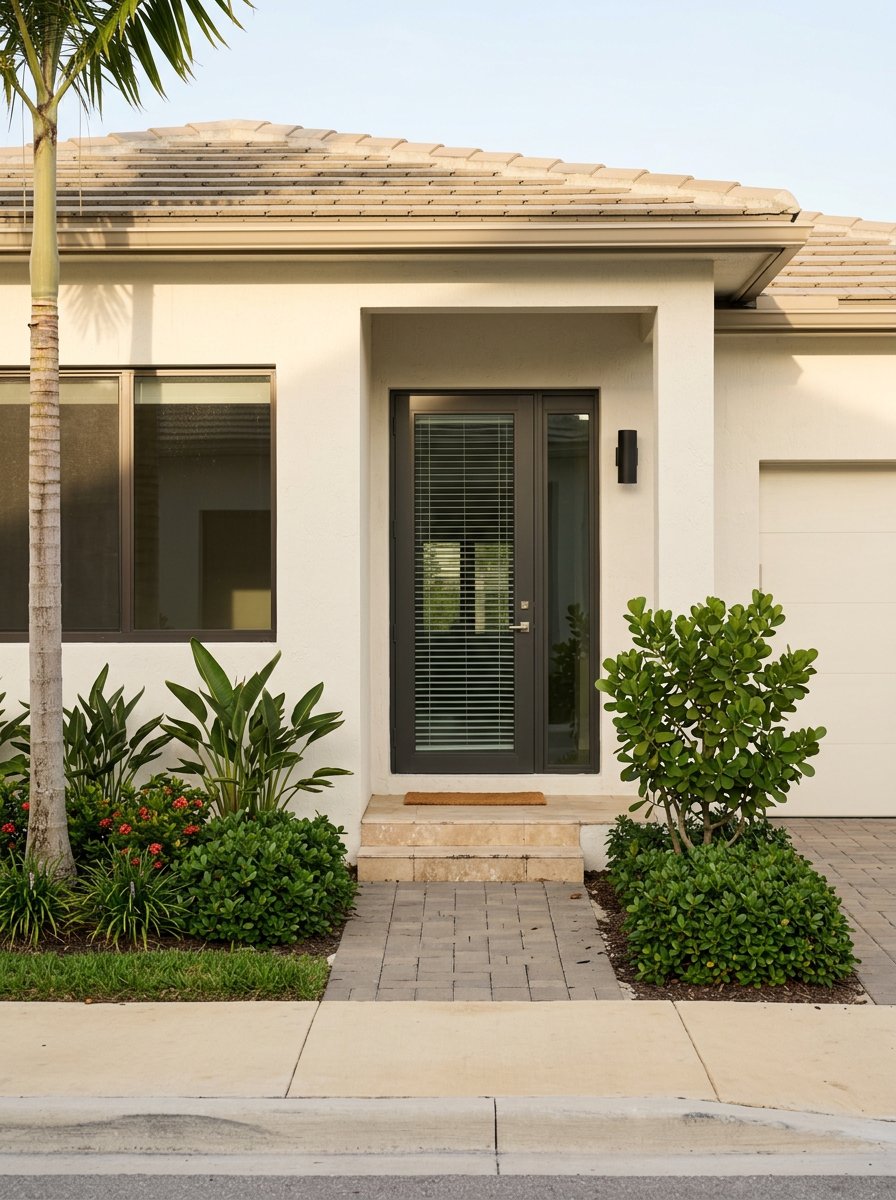
More suburban feel with single-family homes, townhomes, and garden condos. These pockets appeal to multi-year tenants who value neighborhood conveniences. If you focus on durable finishes and good maintenance, you can reduce turnover costs.
Wilton Manors
A small, walkable city within Greater Fort Lauderdale that maintains stable, year-round rental demand. You will find a mix of smaller multifamily buildings and single-family rentals with consistent lease terms.
Budget-friendly pockets: Riverside Park, Progresso Village, Dorsey-Riverbend
Lower asking rents compared to downtown, which can improve cash-on-cash returns if you buy at the right price. Do careful block-by-block comp checks and confirm local permitting and licensing before you buy.
Underwriting basics for Broward rentals
A simple, disciplined underwriting checklist will help you screen deals faster and avoid surprises later.
Key inputs to model on every property
- Market rent for the exact unit type and condition. Start with current listings and the ranges above.
- Vacancy and collection loss. A 5 to 8 percent baseline is common locally. Submarkets with heavy new supply may need a higher vacancy assumption.
- Property management. Full service typically runs about 8 to 12 percent of collected rent in the Fort Lauderdale area. Confirm the fee schedule and lease-up costs in writing.
- HOA or condo dues. Post-Surfside regulatory changes raised costs in many associations. Recent analysis on condo HOA fees in Florida shows meaningful increases, so model dues and special assessments carefully.
- Property taxes. Use the Broward County Property Appraiser tax estimator for an address-level estimate. Effective burdens often land near 1.0 to 1.2 percent of assessed value.
- Insurance. Broward is a high-cost county for property insurance. Review the Florida Office of Insurance Regulation county premium tables and get a quote for each property. Single-family landlord policies can run in the mid-$5,000s per year, while condo unit policies are usually lower.
- Maintenance and reserves. Set aside 5 to 10 percent of effective gross income, adjusted for age and condition.
- Utilities the owner pays, licensing and business tax receipts, legal and accounting, and tenant placement fees.
Quick formulas you will use
- Gross scheduled rent (annual) = monthly rent × 12
- Effective gross income = gross scheduled rent × (1 − vacancy rate)
- Net operating income (NOI) = effective gross income − operating expenses
- Cap rate = NOI ÷ purchase price
- Cash flow after debt = NOI − annual debt service
- Cash-on-cash return = annual pre-tax cash flow ÷ total cash invested
Two quick scenarios, with today’s inputs (hypothetical)
These are simplified examples using current public data as of early February 2026. They are for illustration only. Assumptions use RentCafe and Zillow asking rents, local tax and insurance context, and Freddie Mac’s Primary Mortgage Market Survey for a 30-year fixed around 6.1 percent.
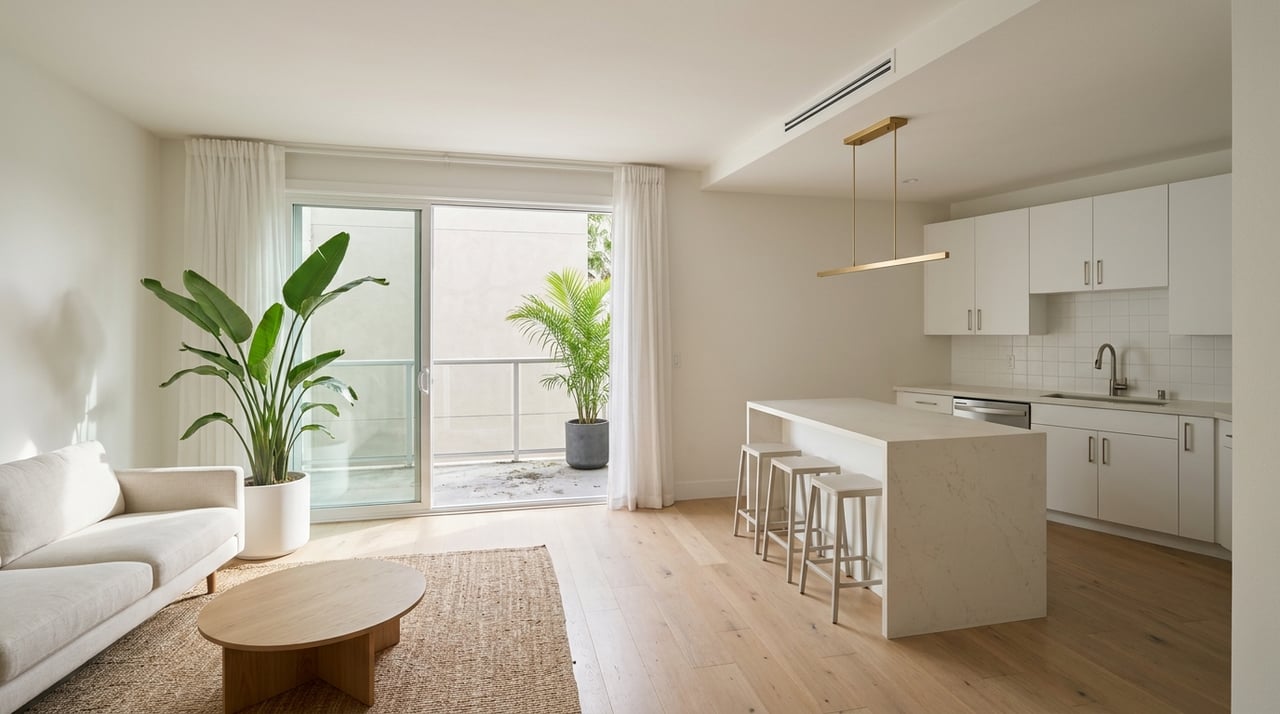
Example A: Entry-level condo (1 bedroom)
- Purchase price: $300,000
- Assumed market rent: $2,200 per month (based on recent 1 bedroom asks)
- Gross scheduled rent: $26,400 per year
- Vacancy at 6%: effective gross income about $24,816
- Expenses (illustrative):
- HOA dues: $500 per month = $6,000 per year
- Management at 10%: about $2,482
- Property taxes at roughly 1.07%: about $3,210
- Condo insurance: about $1,800
- Maintenance reserve at 5%: about $1,241
- Miscellaneous: $600
- Total operating expenses: about $15,333
- NOI: about $9,483, a cap rate near 3.2%
- Debt at 80% LTV, 30-year fixed near 6.1%: annual debt service about $17,450
- Estimated annual cash flow after debt: about −$7,967
Key lesson: When HOA dues and insurance run high, an entry condo at $300,000 can turn negative on cash flow. Counter with a lower purchase price, a higher down payment, or a value-add plan that raises rent quickly.
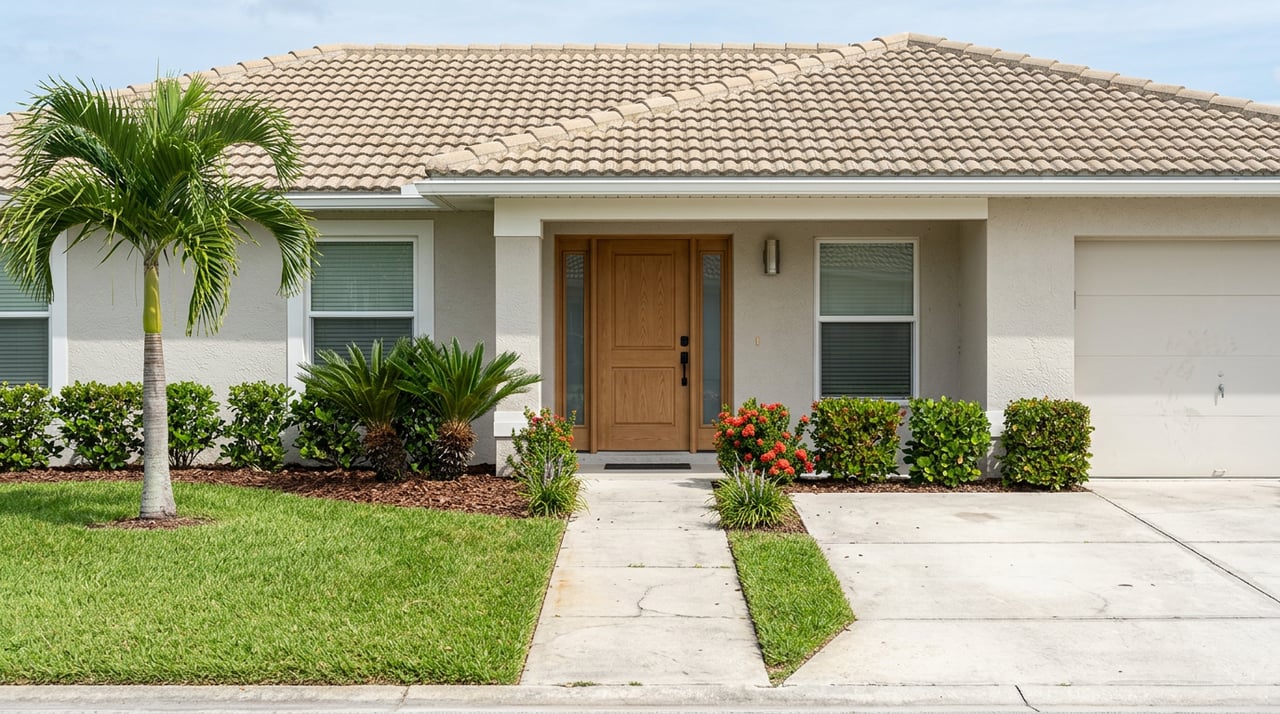
Example B: Entry single-family home (3 bedroom)
- Purchase price: $500,000
- Assumed market rent: $3,300 per month
- Gross scheduled rent: $39,600 per year
- Vacancy at 6%: effective gross income about $37,224
- Expenses (illustrative):
- Property taxes near 1.07%: about $5,350
- Insurance: about $5,500
- Management at 10%: about $3,722
- Maintenance reserve at 8%: about $2,978
- Miscellaneous: $600
- Total operating expenses: about $18,150
- NOI: about $19,074, a cap rate near 3.8%
- Debt at 80% LTV, 30-year fixed near 6.1%: annual debt service about $29,060
- Estimated annual cash flow after debt: about −$10,000
Key lesson: At today’s prices and costs, many leveraged SFRs underperform on cash flow unless you buy at a discount, put more down, or create value with renovations that justify higher rent.
Ways to improve returns in Fort Lauderdale
- Target better rent-to-price pockets. Look beyond the highest-demand corridors to nearby blocks with good access to jobs and services.
- Buy right. Negotiate price, ask for credits, and shop hard for closing costs. A small price change can swing your cap rate.
- Increase down payment or use interest rate buydowns. This reduces annual debt service and can turn a modest deal positive.
- Create value early. Focus on durable, tenant-loved updates like in-unit laundry, modern lighting, and fresh paint. Get before-and-after photos into your listing fast.
- Watch HOA exposure. Prefer strong, transparent associations with clear reserves. Ask for budgets and reserve studies before you commit.
- Quote insurance early. Shop multiple carriers with a local broker and clarify wind, flood, and deductibles before the offer period ends. The Florida OIR county tables show why this matters in Broward.
Due diligence checklist for small investors
- Pull 3 to 5 current comps for the same bedroom count and condition. Confirm time on market and any concessions.
- Request full HOA documents if buying a condo: bylaws, rental caps, minimum lease terms, last three years of budgets, reserve studies, and minutes. Expect higher dues in some buildings based on recent HOA fee trends in Florida.
- Estimate taxes with the Broward County Property Appraiser tax estimator. Check non-ad valorem line items.
- Get insurance quotes for landlord coverage and flood. Use the OIR tables for context, then verify with a local agent.
- Model realistic vacancy, 5 to 8 percent baseline, higher if your submarket has new supply pressure.
- Confirm city licensing. If you plan to operate a short-term or vacation rental, review the City of Fort Lauderdale Vacation Rental Program. For long-term rentals, validate any required business tax receipts or local registrations.
- Interview property managers. Clarify monthly fees, lease-up costs, inspection cadence, and notice-to-cure procedures.
- Inspect thoroughly and budget an initial capital reserve for deferred maintenance.
Bottom line for small local investors
Fort Lauderdale offers deep renter demand and strong neighborhood variety. At today’s price levels and with Broward’s insurance and tax environment, many leveraged deals will not cash flow without a sharp buy, a larger down payment, or near-term value-add. If you model the right rent, vacancy, HOA, taxes, and insurance for each block and building, you can still find durable, long-term rentals that make sense.
Want local help finding rentals with better rent-to-price ratios and clear HOA and insurance profiles? Talk with the boutique team at Max C&T Realty. We will help you source, underwrite, and lease practical investment properties across Fort Lauderdale and nearby Broward neighborhoods.
FAQs
What are average Fort Lauderdale rents in 2026?
- Citywide asking rents average about the high two-thousands per month, with wide variation by neighborhood and building age.
How much should I budget for landlord insurance in Broward?
- Single-family landlord policies often land in the mid-$5,000s per year, while condo unit policies tend to be lower. Always get a property-specific quote.
What vacancy rate should I use when underwriting a Fort Lauderdale rental?
- A 5 to 8 percent vacancy and collection loss assumption is a reasonable baseline, with higher rates in submarkets facing heavy new supply.
Are condos or single-family homes better for cash flow right now?
- It depends on HOA dues, insurance, and your purchase price. Many condos face higher HOA costs, while single-family homes face higher insurance. Run both with conservative inputs.
Do I need a license to rent a property in Fort Lauderdale?
- Long-term rentals may require local registrations, and short-term or vacation rentals require city registration and compliance. Confirm requirements before you buy or list.