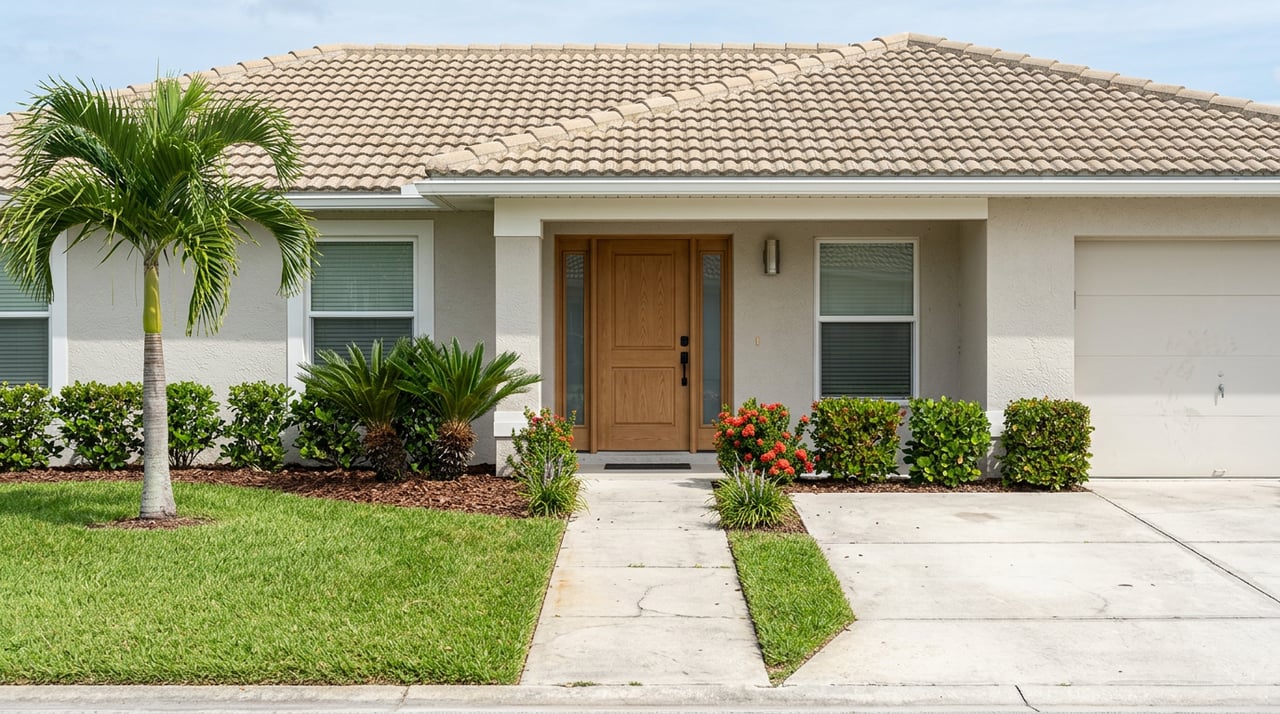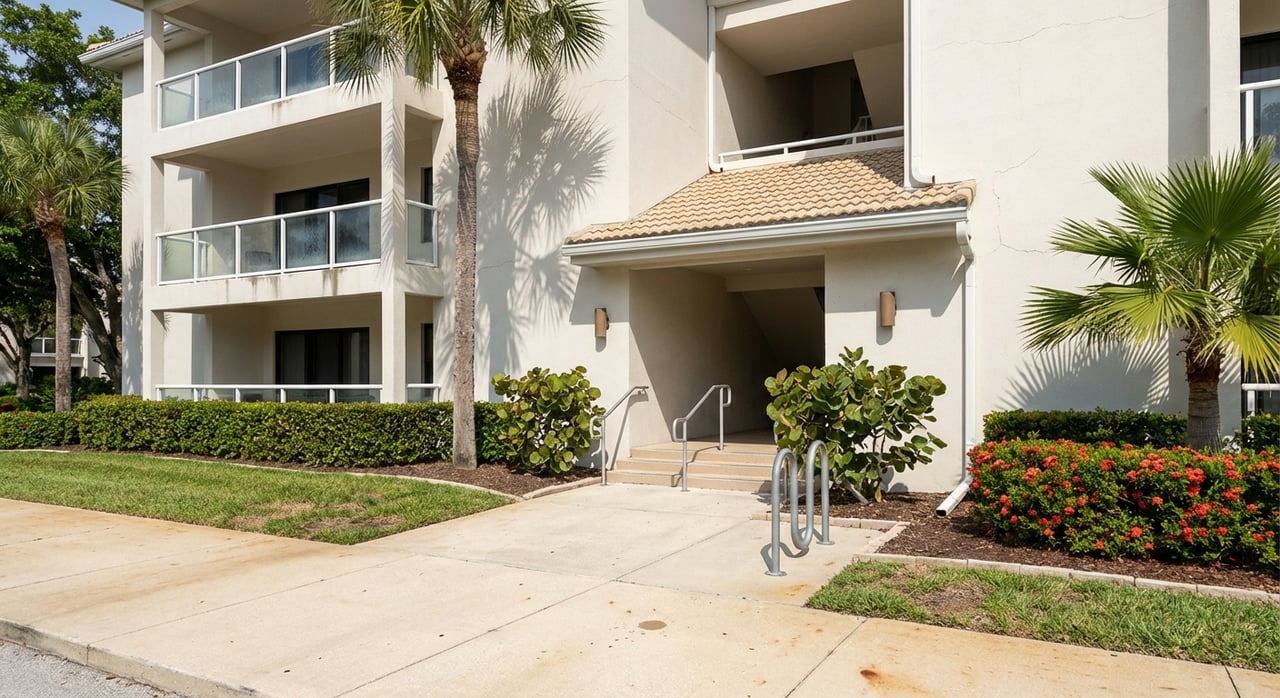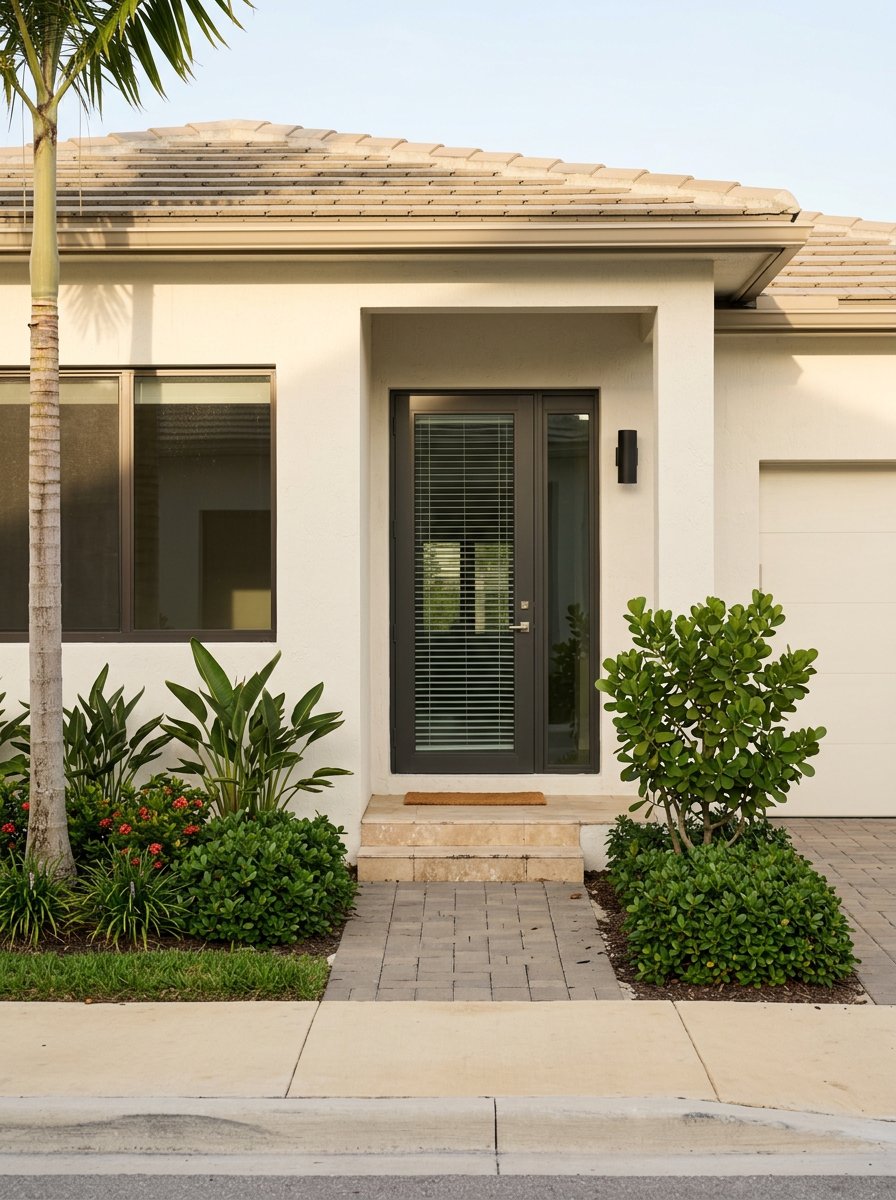
Condo convenience or townhome space — which fits your life in West Palm Beach? If you are weighing a lower‑maintenance lifestyle against a private garage and more elbow room, you are not alone. First‑time buyers and downsizers across the West Palm Beach–Boca Raton–Delray Beach area face this choice every season. In this guide, you will learn the key legal and cost differences in Florida, how HOA fees and insurance shape your monthly budget, and what to check before you tour. Let’s dive in.
Quick comparison: condo vs townhome
Condo strengths
- Lower day‑to‑day maintenance, lock‑and‑leave living.
- Often includes amenities like pool, gym, security, and shared utilities.
- Association typically insures and maintains exterior and common areas.
Condo tradeoffs
- Higher HOA dues are common in this metro.
- Project‑level rules can affect financing and rentals.
- Less private storage and parking may add fees.
Townhome strengths
- Feels more like a house with a private entry and often a garage.
- HOA dues often run lower than condos in this area.
- Financing is usually simpler if the home is fee‑simple.
Townhome tradeoffs
- Owners may handle more exterior items like roof and yard.
- Fewer amenities than a full‑service condo building.
- Rules still apply through the HOA, so you must review documents.
Local snapshot and budget impact
Market headlines vary by data source and timing. For example, one source reported a West Palm Beach median sale price around $505,000 in February 2026, while another listed about $415,500 as of December 31, 2025. Those differences reflect whether the data uses listings or closed sales, property mix, and time window.
HOA dues matter in your monthly budget. A January 2026 analysis shows the Miami–Fort Lauderdale–West Palm Beach metro has among the highest median HOA fees nationally, which fits what you will see on local listings. You can expect a wide range: many condos run roughly $300 to $1,000+ per month, while townhome HOAs often cluster around $150 to $600 depending on amenities and what insurance the association carries. These are broad ranges and there are exceptions. (Source: overview of metro HOA fees in the Realtor.com Homeowners Association Report, summarized here.)
Recent examples checked in March 2026 show the spread locally:
- Orchid Reserve condo example in West Palm Beach: list near $599,000 with HOA about $1,001 per month.
- Briarlake/Eastpointe condo examples nearby: low‑to‑mid $300,000s with HOAs around $700 to $830 per month on some updated units.
- Downtown Flagler Drive high‑rise example: HOA shown near $633 per month.
- Townhome examples in central West Palm Beach: HOA dues around $200 to $625 per month, with one community near $207 per month.
Use these figures as conversation starters, then verify the exact dues and what they include before you write an offer.
How ownership differs in Florida
In Florida, labels matter less than the legal regime recorded for the community.
- Condominiums follow the Condominium Act. You own the interior “unit” plus a share of the common elements. The association commonly controls and maintains exterior and structural systems, insures the building, and manages amenities. See the statute for association duties in Chapter 718.
- Many townhomes sit inside a homeowners’ association governed by Chapter 720. In a fee‑simple setup, you own the structure and the land under it, subject to HOA rules. Important: some attached “townhomes” are actually recorded as condominium regimes. Always confirm the legal classification in the recorded declaration because it drives who maintains what, what insurance is required, and how lenders underwrite the property.
Insurance: who covers what
- Condos: Associations carry a master policy for the building within the scope set by statute and the declaration. Unit owners typically buy an HO‑6 policy for interior finishes, personal property, and liability. Master deductibles in Florida can be large, so review the deductible and consider loss‑assessment coverage. The statute sets insurance and governance requirements for associations in Chapter 718. For budgeting, Florida condo unit‑owner premiums are often in the low‑to‑mid four figures annually, as noted in statewide roundups of condo insurance providers and rates (overview).
- Townhomes: If the home is fee‑simple, you will likely carry a standard HO‑3 or HO‑5 policy. Costs hinge on whether the HOA covers any exterior items like roof or paint. The exact boundary of responsibility is defined by the recorded declaration, not the building’s appearance. Get the documents early so your insurance quotes reflect real coverage.
Monthly cost examples in West Palm Beach
The examples below use a 30‑year fixed at 6.0 percent with 20 percent down and an estimated effective property tax rate near 1.34 percent for Palm Beach County. Rate benchmark: Freddie Mac PMMS. Property tax reference: county trends summarized here. Insurance is estimated per Florida averages.
Example A — higher‑fee condo (Orchid Reserve, checked March 2026)
- List price: $599,000. HOA: $1,001 per month.
- Loan: $479,200. Principal and interest at 6.0 percent: about $2,874 per month.
- Estimated property taxes: about $670 per month.
- Estimated HO‑6 insurance: about $100 per month.
- Approximate total monthly carrying cost: $4,645 per month. This excludes utilities and any club dues or special assessments.
Example B — suburban townhome (checked March 2026)
- List price: $385,000. HOA: $207 per month.
- Loan: $308,000. Principal and interest at 6.0 percent: about $1,848 per month.
- Estimated property taxes: about $430 per month.
- Estimated homeowners insurance: about $200 per month.
- Approximate total monthly carrying cost: $2,685 per month.
Quick DIY budget check
- Multiply your loan amount by about 0.006 to estimate monthly principal and interest at 6.0 percent.
- Add property taxes by dividing the annual figure by 12. If you do not know it, estimate price × 1.34 percent, then divide by 12.
- Add your HOA dues and one monthly insurance estimate.
- Compare options side by side to see how HOA coverage changes the total.
Lifestyle and amenities
- Maintenance and convenience: Condos minimize routine upkeep because the association handles exterior, grounds, and shared systems. This convenience often shows up as higher dues. Townhomes feel more private and house‑like, and you may take on more exterior tasks.
- Privacy and noise: Condos stack neighbors above and below. Townhomes share side walls only, which may feel quieter. Ask about wall construction on tours.
- Parking and storage: Downtown condos often use assigned or valet parking with limited storage. Townhomes commonly include a private garage and more storage space.
- Amenities: Condo towers often offer pools, gyms, and staffed security. Gated townhome communities may have a small pool or playground at lower staffing costs.
Rules, rentals, and building safety
- Rentals and use rules: Associations routinely regulate leasing terms and seasonal rentals. Florida law limits how retroactive rental bans can be applied in condominiums, so verify if any changes are grandfathered or prospective. Review the rental policy before you write an offer. For a step‑by‑step view of HOA leasing approvals, see this rental approval overview.
- Building safety and reserves: Florida requires structural integrity reserve studies (SIRS) and milestone or recertification processes for many condominium buildings three stories or higher. These can raise dues or trigger special assessments if reserves are short. Confirm whether the building has completed its SIRS and milestone inspection. Start with the state’s DBPR condo FAQs.
Financing differences to know
Lenders review condominium projects at the building level. They check reserve funding, insurance, litigation, owner‑occupancy, and delinquency rates. If a condo project falls short, financing can be limited or cost more. Many fee‑simple townhomes are underwritten like single‑family homes and face fewer project‑level hurdles. Learn more about current agency standards in this condo project guidance update. Ask your lender to screen the project early, especially for mid‑ or high‑rises.
What to request from the association
Pull these items before or during your inspection period. They reveal future costs and deal killers.
- Budget, financials, and current reserves. Look for healthy operating cash and funded reserves. Association duties and records are addressed in Chapter 718 for condos and Chapter 720 for HOAs.
- Reserve study and proof of SIRS or milestone inspection if the condo is three stories or higher. If missing, treat as a red flag. Start with the state’s DBPR FAQs.
- Master insurance declarations, including wind or hurricane coverage and the master deductible. Very high deductibles can shift risk to owners through assessments.
- Meeting minutes for the last 12 months. Scan for special assessments, capital projects, litigation, or frequent board turnover.
- Governing documents: declaration, bylaws, and rules. Confirm rental rules, pet policies, parking, alteration approvals, and how violations are handled.
- Owner‑occupancy and delinquency data. Lenders often use these figures when deciding whether the project is eligible for conventional financing.
First showing checklist
Bring these questions to your first tour so you leave with a clear picture.
- What are the current HOA or condo dues and what do they cover each month?
- How often are dues billed and when were they last increased?
- Has the building completed SIRS or a recent milestone inspection? Any planned or pending assessments?
- What is the master insurance deductible and what does my personal policy need to cover?
- Are there rental restrictions and do any changes apply only to new buyers?
- Is the project eligible for conventional or FHA financing right now? Any recent financing fallout in the community?
- How are parking, guest parking, and storage handled? Any separate fees for spaces?
- What is the age and condition of roof, elevators, and major systems? Any capital projects planned in the next 2 to 3 years?
Next steps
Choosing between a condo and a townhome in West Palm Beach comes down to lifestyle, budget, and how much responsibility you want for the exterior. If you want help matching your goals to the right communities, reach out to Max C&T Realty for a quick consult. Our boutique, owner‑operated team will walk you through the numbers, the documents, and the best options for your price point.
FAQs
What is the main difference between a condo and a townhome in Florida?
- Condos follow the Condominium Act where you own the interior unit and share common elements, while many townhomes are fee‑simple under HOA rules where you may own the structure and land subject to the declaration and community rules.
How much are HOA fees in West Palm Beach for condos and townhomes?
- Many condos run roughly $300 to $1,000+ per month and townhome HOAs often cluster around $150 to $600, with wide variation based on amenities and insurance loads in this metro.
How do condo insurance needs differ from townhomes?
- Condo owners typically carry an HO‑6 policy for interiors and personal property while the association insures the building, and townhome owners often carry HO‑3 or HO‑5 policies if they are responsible for exterior items.
What is SIRS and why does it matter for condo buyers?
- Florida requires structural integrity reserve studies and milestone or recertification for many 3‑story‑plus condos, which can increase dues or lead to assessments if reserves are underfunded.
Do condo rental rules affect new buyers in West Palm Beach?
- Yes, associations commonly set leasing rules, and Florida law limits how retroactive rental bans apply, so verify whether any changes are grandfathered or apply to new owners only.
Why is financing sometimes harder for condos than townhomes?
- Lenders review condominium projects for reserves, insurance, litigation, owner‑occupancy, and delinquencies, and if a project fails those standards options can be limited, while many fee‑simple townhomes are treated like single‑family homes.