Thinking about selling your Boca Raton condo? You are not alone, and you are also not stepping into the easiest kind of sale. In Boca’s condo market, buyers have options, timelines can stretch, and association paperwork can make or break a deal. The good news is that with the right prep, pricing, and document strategy, you can avoid common delays and move toward closing with more confidence. Let’s dive in.
Understand the Boca condo market
Selling a condo in Boca Raton starts with reading the market clearly. Current inventory is sizable, with 957 condos for sale in Boca Raton at a median listing price of $438,000, according to Redfin data cited in the research. That same source shows homes often stay on the market about 100 days and receive around 2 offers.
Countywide condo and townhouse numbers tell a similar story. In Palm Beach County, March 2026 data showed 7,098 active listings, 8.5 months of supply, a median time to contract of 71 days, and a median time to sale of 111 days. The median sale price was $330,000, and sellers received a median of 92.1% of original list price.
What does that mean for you? Buyers are still active, but they are comparing options carefully and negotiating. Your condo needs to look strong on price, condition, and paperwork from day one.
Price from building-level comps
One of the biggest mistakes condo sellers make is relying too much on broad citywide averages. In Boca Raton, condo values can vary widely based on the building, floor, view, age, updates, and association profile. A city median can give context, but it should not set your list price by itself.
A better approach is to focus on recent comparable sales in the same building or in very similar nearby buildings. This matters because buyers and appraisers often look closely at units with matching layouts, views, and condition. In a market with plenty of inventory, a price that misses the mark can cost you time and leverage.
Prep your condo before photos
First impressions matter even more when buyers are scrolling through many similar listings. Your goal is to make the unit feel bright, clean, and move-in ready. Typical prep still matters: declutter, deep clean, take care of minor repairs, and refresh paint where needed.
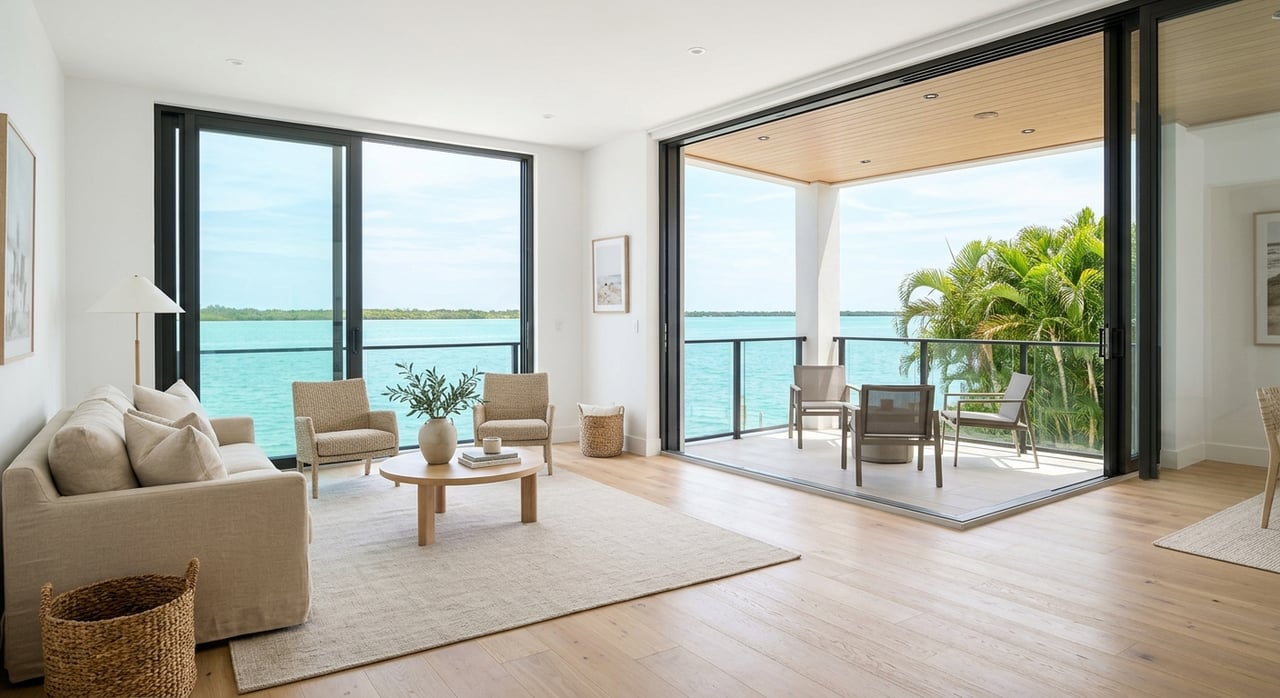
Try to remove distractions that pull attention away from the space itself. Clean windows, lighter rooms, and simple staging can help buyers focus on the layout, natural light, and any view your unit offers. If your condo has updated flooring, kitchen finishes, or baths, make sure those features are presented clearly.
Gather condo documents early
Condo sales in Florida are paperwork-heavy, and waiting too long to request documents can slow everything down. Florida law says a nondeveloper seller must provide prospective buyers, at the seller’s expense, with current copies of key condo documents. These include the declaration, articles of incorporation, bylaws and rules, annual financial statement and annual budget, the FAQ sheet, the governance form, and when applicable, the milestone inspection summary and most recent structural integrity reserve study.
This is one of the most important parts of your pre-listing process. Buyers are entitled to these materials, and the contract can become voidable by the purchaser before closing if the disclosure package is not handled correctly. In plain terms, getting organized early can protect your timeline.
Key documents to request
- Declaration
- Articles of incorporation
- Bylaws and rules
- Annual financial statement
- Annual budget
- FAQ sheet
- Governance form
- Milestone inspection summary, if applicable
- Most recent structural integrity reserve study, if applicable
Know the association timeline
It is smart to request records from the association as early as possible. The association has 10 business days to issue an estoppel certificate, and official records generally must be made available within 10 working days after a written request. If you wait until you are under contract, you may be creating avoidable delays.
The estoppel is especially important because it confirms fees, balances, and other details that affect closing. It also touches issues buyers and title companies care about, such as transfer approval, right of first refusal, open violations, and amounts due. These are not small details in a Boca condo sale. They are central to whether a closing stays on track.
Watch for milestone and reserve issues
In older and coastal Boca buildings, buyers may look more closely at inspections and reserve funding. Florida law requires a structural integrity reserve study at least every 10 years for certain condo buildings that are three or more stories. Existing owner-controlled associations generally had to complete their first SIRS by December 31, 2025.
Milestone inspections also apply to certain buildings that are three habitable stories or higher, based on certificate of occupancy timing. The default trigger is 30 years, though some coastal or local conditions can move that threshold to 25 years. If your association is required to have a milestone inspection, turnover inspection report, or SIRS and has not completed it, post-2024 resale contracts must disclose that in conspicuous type.
This matters because buyers may receive cancellation or review rights if required condo documents arrive late. The standard resale package uses a 7-day review window, while certain milestone, SIRS, and turnover-related materials can carry a 15-day window under newer contracts. If your building has pending inspection or reserve issues, it is better to surface them early than let them surprise a buyer halfway through the deal.
Market the condo with clarity
Good condo marketing is not just about pretty photos. It is about helping buyers compare your unit against many alternatives. That means highlighting the details they actually use to make decisions, such as condition, layout, view, building amenities, and association profile.
It also means being ready to address practical issues upfront. If there are special assessments, open violations, transfer requirements, or reserve-study concerns, those should be identified before listing. The cleaner and more complete your information package is, the easier it becomes to attract serious buyers.
What buyers compare most
- Building and unit condition
- View and floor height
- Renovations and overall move-in readiness
- Monthly association costs and fees
- Transfer or approval requirements
- Special assessments or known building issues
- Reserve study and inspection status, when applicable
Expect cash buyers and negotiation
Cash is a major part of the condo market in Palm Beach County. In March 2026, 62.9% of condo and townhouse sales were cash. That does not mean financed buyers are absent, but it does mean your listing should be ready for buyers who can move quickly and compare hard.
The median list-to-sale ratio of 92.1% also shows that buyers are often negotiating below asking price. For you, that reinforces two things: realistic pricing matters, and a clean document package can strengthen your position. A condo that is well-priced and well-documented is easier for both cash and financed buyers to say yes to.
Move from contract to closing
Once you accept an offer, the process becomes even more document-driven. The association estoppel becomes a key closing document, and Florida law caps the estoppel fee at $250 when no delinquency exists. The law allows an extra $100 for expedited delivery within 3 business days, and limits the fee to $150 when delinquent amounts are owed.
If there are other good-faith information requests that are not specifically required by law, the association may charge up to $150 plus copying and attorney costs. These are useful costs to keep in mind as you budget for closing. Small admin fees can add up when a transaction involves multiple condo-related requests.
Unpaid assessments also need close attention. Florida law makes the current unit owner liable for assessments that come due during ownership and jointly and severally liable with the previous owner for unpaid assessments that existed before transfer. That is why payoff figures and estoppels need to be reconciled carefully before closing.
Budget for seller closing costs
Beyond association-related items, you should also plan for documentary stamp tax. The Florida Department of Revenue says deeds transferring Florida real property are taxable. In Palm Beach County, the rate is 70 cents per $100 of consideration.
Mortgage and note documents are taxed separately at 35 cents per $100 of debt secured. While the exact final numbers depend on your transaction, this is a standard cost category sellers should discuss early so there are no surprises at the closing table.
What happens after closing
After closing, the closing agent sends the paperwork to the Clerk of the Circuit Court & Comptroller for recording. Palm Beach County’s Property Appraiser says ownership changes typically appear on its website about 1 to 3 weeks after recording. This is a simple step, but it helps explain why online ownership records do not update instantly.
For many sellers, closing feels like the finish line, but a smooth finish usually comes from early organization. In Boca condo sales, that means preparing the unit, pricing from strong comparables, and getting ahead of association documents before buyers start asking for them.
Selling a condo in Boca Raton is rarely just about listing the property and waiting for an offer. It is a process that rewards preparation, local knowledge, and careful handling of association details. When you approach the sale with a clear plan, you give yourself a better chance of attracting serious buyers and reaching closing with fewer surprises.
If you are getting ready to sell and want hands-on guidance from a local, owner-led team, Max C&T Realty can help you price, prepare, and market your Boca Raton condo with a clear strategy.
FAQs
How long does it take to sell a condo in Boca Raton?
- Palm Beach County condo and townhouse data for March 2026 show a median of 71 days to contract and 111 days to sale, though timing can vary significantly by building, price, and condition.
Why do Boca Raton condo sellers need so many association documents?
- Florida law requires nondeveloper sellers to provide buyers with current condo documents, and a buyer may have cancellation or review rights if the required package is not delivered correctly or on time.
What can delay a Boca Raton condo closing?
- Common issues include missing association documents, unpaid assessments, milestone inspection or reserve-study concerns, and buyer review periods tied to required disclosures.
How should you price a Boca Raton condo for sale?
- The best method is to use recent same-building or closely comparable condo sales, because Boca condo prices can vary widely by building, view, age, and condition.
Do cash buyers matter when selling a condo in Palm Beach County?
- Yes. March 2026 county data show 62.9% of condo and townhouse sales were cash, so your pricing and document readiness should appeal to buyers who can move quickly.
What seller taxes should you expect in a Palm Beach County condo sale?
- Florida documentary stamp tax applies to deeds transferring real property, and in Palm Beach County the rate is 70 cents per $100 of consideration.