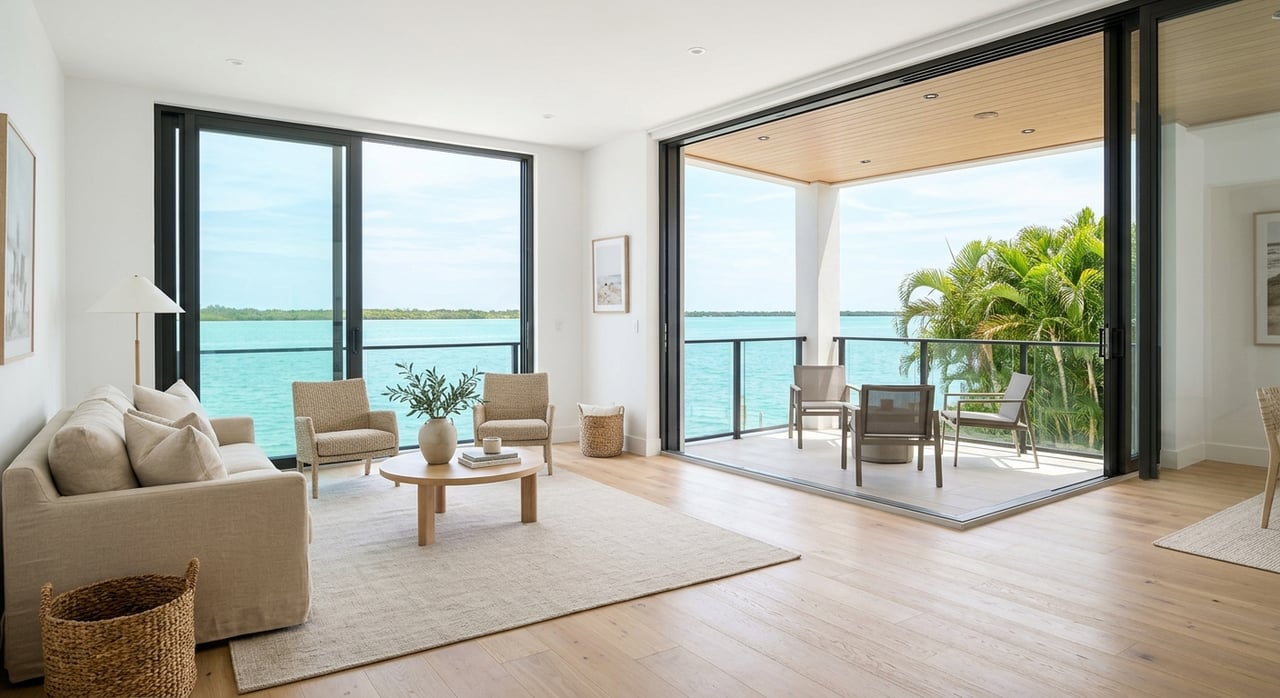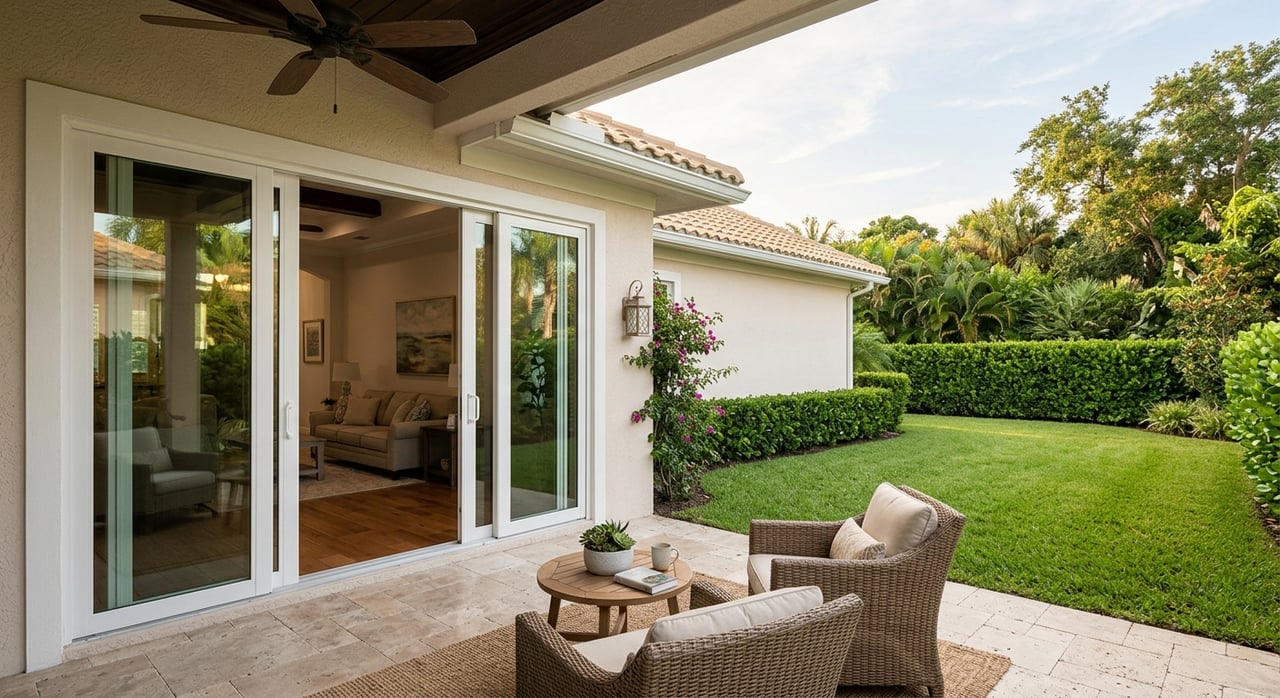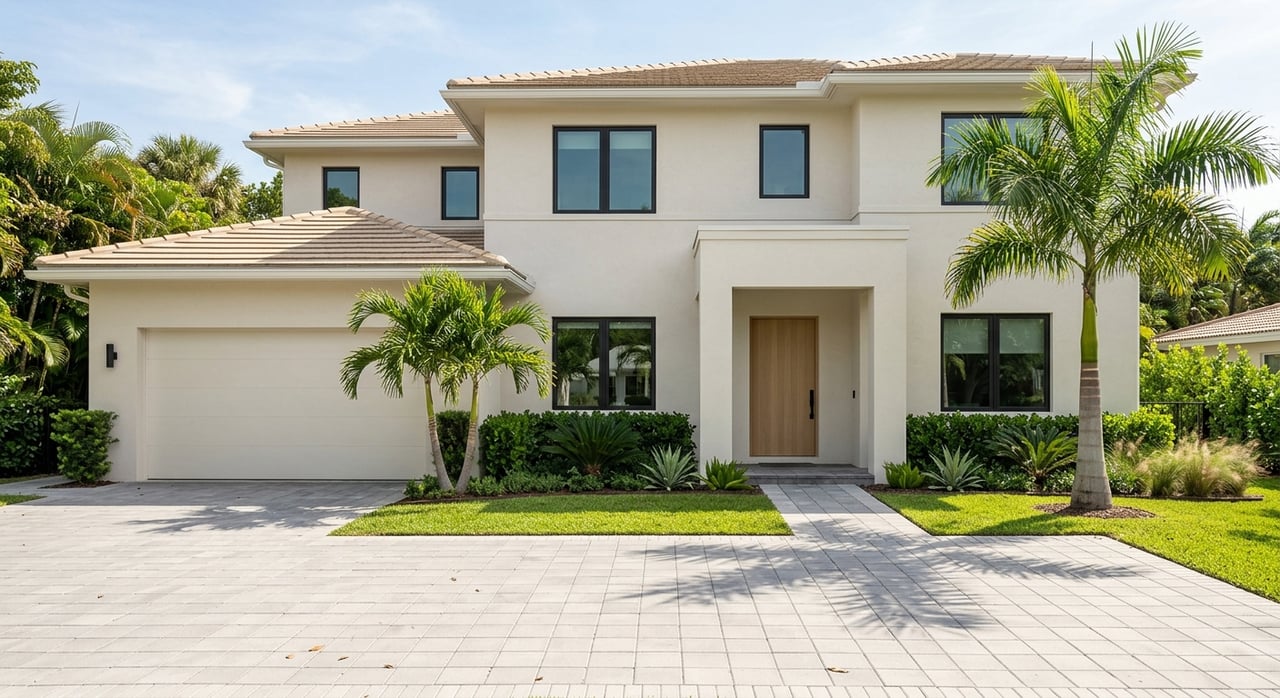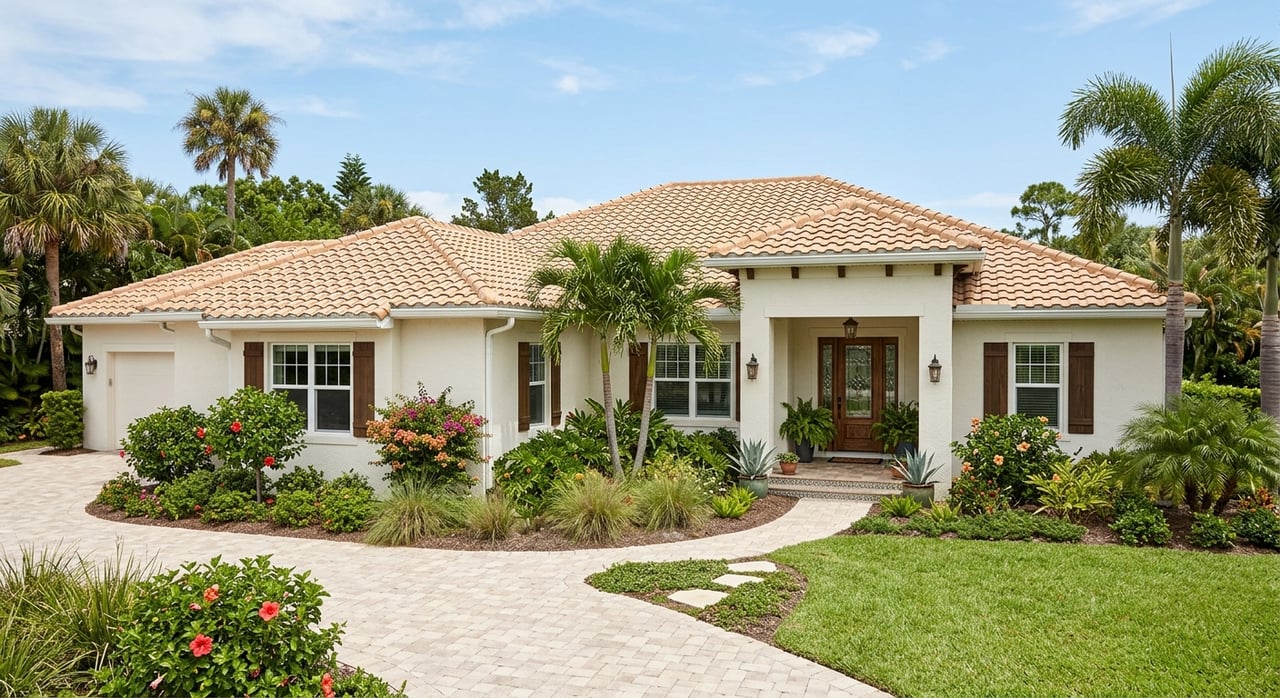
Dreaming about winter mornings near the beach in Boca Raton? A seasonal home here can give you easy access to sun, ocean air, and a relaxed South Florida lifestyle, but the right purchase takes more than falling in love with a view. If you are thinking about buying a second home for part-time use, you need to weigh location, insurance, association rules, and year-round upkeep before you close. Here is what to know so you can buy with confidence. Let’s dive in.
Why Boca Raton Appeals to Seasonal Buyers
Boca Raton is a natural fit for seasonal living because of its beach-focused lifestyle, especially during the winter months. The city says its coastline includes a two-mile stretch of lifeguard-protected beaches, with Spanish River Park, Red Reef Park, and South Beach Park serving as the main beach parks. Ocean Rescue lifeguards staff the beaches year-round.
That kind of access is a big part of the appeal if you want a home base for the cooler season. You can enjoy the coast, local parks, and outdoor living without making Boca your full-time address. Still, convenience in Boca often depends on exactly where you buy and what local rules apply.
Choose Location With Eyes Open
For a seasonal home, location is about more than being close to the water. In Boca Raton, you should think about beach access, parking rules, flood exposure, and whether the property is actually within city limits. Small differences in address and jurisdiction can affect your day-to-day experience.
Beach access and parking matter
The City of Boca Raton says an Annual Beach Vehicle Entry Permit is required to park inside a beach park. These annual permits run from October 1 through September 30, and permit access depends on residency. The city also notes that having a Boca Raton mailing address does not automatically mean a property is within city limits.
If your winter plan includes driving to the beach often, this deserves extra attention before you buy. A property that sounds like Boca on paper may not qualify for the same resident permit access or pricing. It is smart to verify the exact address and residency status before closing rather than assume.
Coastal convenience can mean more exposure
East-side and coastal locations can be very attractive for seasonal owners who want quick access to beach parks and ocean living. At the same time, Palm Beach County says coastal areas are susceptible to storm-surge flooding, and king tides can create temporary sunny-day flooding in the fall. That does not mean you should avoid these areas, but it does mean you should evaluate them carefully.
A practical way to compare options is to weigh convenience against risk. A home closer to the coast may better match your winter lifestyle goals, while a location farther inland may reduce some flood and storm-related concerns. The right fit depends on how you plan to use the home and how comfortable you are with seasonal weather realities.
Understand Taxes on a Seasonal Home
Many buyers assume they will receive the same tax treatment as a primary residence, but that is not usually the case for a second home in Florida. If the Boca property is a seasonal or second home rather than your permanent residence, it generally will not qualify for Florida homestead exemption.
Florida law requires the property to be your permanent residence, and the Palm Beach County Property Appraiser says applicants must be permanent residents of Florida. For seasonal buyers, that can affect long-term ownership costs. It is important to budget based on the property’s actual likely tax status, not best-case assumptions.
Review HOA and Condo Documents Carefully
Many seasonal buyers in Boca Raton focus on condos, townhomes, or homes in HOA communities because they may offer lower-maintenance living. That can be a good match for part-time ownership, but the association review is one of the most important parts of your purchase.
HOA communities have required disclosures
In Florida HOA communities, a disclosure summary and governing documents must be supplied before contract execution. If the summary was not provided before you signed, the contract can be voided within 3 days after you receive it, or before closing, whichever comes first.
For a seasonal buyer, these documents can tell you a lot about daily ownership. You should pay close attention to fees, use restrictions, maintenance obligations, parking, guest policies, and any rules that may affect how you use the property when you are in town only part of the year.
Condo resales require a deeper document review
If you are buying a resale condo, Florida law gives you access to a broader set of documents. These include the declaration, articles, bylaws and rules, annual financial statement and budget, and frequently asked questions. When applicable, buyers must also receive a milestone inspection summary, turnover inspection report, and the association’s most recent structural integrity reserve study.
Florida law also says that if the association is required to have those reports and has not completed them, the contract must disclose that fact in conspicuous type. For seasonal owners, this matters because you may not be on site year-round to monitor building issues closely. A full document review helps you understand both the property and the association’s financial and structural position.
Reserve studies and inspections are especially important
Florida’s condo reserve law is a major issue for buyers of residential condominium buildings that are three habitable stories or higher. Associations must complete a structural integrity reserve study at least every 10 years, and milestone inspections are required for buildings three stories or more, generally by the year the building turns 30 and every 10 years after.
The statute also makes clear that repairs can be funded through regular assessments, special assessments, lines of credit, or loans. In plain terms, that means future building work can affect your ownership costs. If you are comparing seasonal condo options, reserve strength and building condition should be part of the conversation, not an afterthought.
Plan for Insurance Before You Need It
Insurance in South Florida can be more layered than buyers expect. For a seasonal home, it is important to understand what is covered, what is not, and where your out-of-pocket risk may be higher.
Flood coverage is separate
Standard homeowners insurance does not cover flood. Palm Beach County says all county residents live in a flood zone, and the county also notes that windstorm insurance does not cover flood damage. Since coastal areas are vulnerable to storm surge, address-level flood review should be part of your due diligence.
The official source for NFIP flood-hazard information is FEMA’s Flood Map Service Center. For a Boca Raton purchase, that means you should check the property’s specific flood-hazard information during your review period and talk through how that may affect insurance needs and ownership costs.
One more detail matters here. FEMA says flood insurance is a separate policy, and NFIP coverage generally takes effect after a 30-day waiting period unless the purchase is tied to the origination, renewal, or extension of certain federally backed loans. If you wait until storm season is near, you may have fewer options than you expected.
Hurricane deductibles may be higher than expected
Florida homeowners policies may include a separate hurricane deductible. The state says insurers must offer deductible options of $500, 2 percent, 5 percent, and 10 percent of dwelling limits, and the hurricane deductible is applied on an annual basis if the same insurer or insurer group covers later hurricanes.
That matters because the deductible is often based on a percentage of the dwelling limit, not a flat number you can easily overlook. Seasonal owners should review this closely when comparing policies so there are no surprises after a storm.
Condo owners usually still need their own policy
If you are buying a condo, do not assume the association’s master policy covers everything inside your unit. Florida’s consumer guide says the master policy excludes many interior items, and condo unit owners need an HO-6 policy for personal property, liability, and loss assessment coverage.
The guide also says the HO-6 policy must include at least $2,000 of loss-assessment coverage, with a deductible not above $250 for that claim type. This is especially important for seasonal owners, since your unit may be vacant for stretches of time and you will want clear protection for your personal property and interior responsibility.
Prepare for the Months You Are Away
A seasonal home should be easy to enjoy, but it still needs attention when you are not there. Boca Raton’s hurricane season runs from June 1 through November 30, and the city urges residents to stay prepared year-round, know their evacuation and flood zones, and sign up for AlertBoca and Palm Beach County’s AlertPBC.
If you spend only part of the year in Boca, off-season preparation becomes even more important. Routine property care can reduce the chance of storm-related damage and help you avoid coming back to costly problems.
Off-season maintenance basics
Practical upkeep should include:
- Trimming trees and branches away from the home
- Clearing leaves and debris from roofs, gutters, porches, and decks
- Removing dead plants, leaves, and branches at least 10 feet from the house
- Reviewing storm readiness before leaving for the season
- Keeping emergency contact details current for the property and the association
These steps are simple, but they matter. A home that sits vacant for months needs a clear maintenance plan, especially during hurricane season and periods of heavy rain.
Keep your association contact details updated
If your property is in an HOA, make sure the association has your current mailing and contact information. Florida’s HOA collection statute says late-assessment notices are mailed to the address on file, and a lien cannot be recorded until notice requirements are met.
For a seasonal owner, this is easy to overlook and important to get right. If you are away for part of the year, outdated contact information can turn a small issue into a much bigger one.
Follow local instructions during storms
If a storm threatens while you are away or before you return, follow local guidance. The city advises residents to know their evacuation and flood zones, and FEMA says you should return home only when officials say it is safe. FEMA also advises turning off utilities if authorities instruct you to do so.
This is another reason to think beyond the purchase itself. The best seasonal home is not just appealing in January. It is also manageable in August and September.
A Smart Seasonal-Home Checklist
Before you buy a seasonal home in Boca Raton, make sure you have answers to these questions:
- Is the property actually within Boca Raton city limits?
- If beach parking matters, do you qualify for resident permit access?
- What flood and storm-surge factors affect this address?
- Will the property qualify for homestead exemption, or should you budget without it?
- What do the HOA or condo documents say about fees, restrictions, and maintenance?
- Are there reserve studies, inspection reports, or disclosures that need closer review?
- What insurance will you need beyond a standard homeowners or condo master policy?
- What is your plan for off-season upkeep and storm preparation?
- Does the association have your correct mailing and contact information?
A seasonal purchase can be a great lifestyle move when the details line up with how you actually plan to use the home. The goal is not just to buy in Boca Raton. The goal is to buy the right Boca Raton property for your version of seasonal living.
If you are exploring a seasonal home in Boca Raton or nearby coastal communities, Max C&T Realty can help you compare neighborhoods, review the practical tradeoffs, and find a property that fits how you want to live.
FAQs
What should seasonal buyers know about Boca Raton beach parking?
- Beach parking inside Boca Raton beach parks requires an Annual Beach Vehicle Entry Permit, and access depends on residency. A Boca Raton mailing address alone does not automatically establish city residency for permit purposes.
Does a seasonal home in Boca Raton qualify for Florida homestead exemption?
- Generally, no. Florida homestead exemption typically requires the property to be your permanent residence, and the Palm Beach County Property Appraiser says applicants must be permanent residents of Florida.
What condo documents should seasonal buyers review in Boca Raton?
- Condo resale buyers should review the declaration, articles, bylaws and rules, annual financial statement and budget, FAQs, and when applicable, milestone inspection summaries, turnover inspection reports, and structural integrity reserve studies.
Do Boca Raton seasonal homeowners need separate flood insurance?
- Standard homeowners insurance does not cover flood, and Palm Beach County says all county residents live in a flood zone. Flood coverage is a separate policy, so buyers should review flood-hazard information for the exact address.
Why do reserve studies matter for Boca Raton condo buyers?
- For qualifying condo buildings, Florida law requires structural integrity reserve studies and milestone inspections. These reports can help you understand future repair needs and the potential for assessments or other funding measures.
How should seasonal owners prepare a Boca Raton home for the off-season?
- A good plan includes trimming branches away from the home, clearing debris from roofs and gutters, removing dead vegetation near the house, staying alert during hurricane season, and keeping association contact details current.