Are you thinking about trading a busier Broward routine for a quieter place to come home to? If you have been comparing Parkland with nearby cities like Coral Springs, Coconut Creek, or other parts of Broward, you are probably weighing lifestyle as much as location. This guide will help you understand what really changes when you move to Parkland, from housing and commute patterns to parks and daily feel. Let’s dive in.
Why Parkland Feels Different
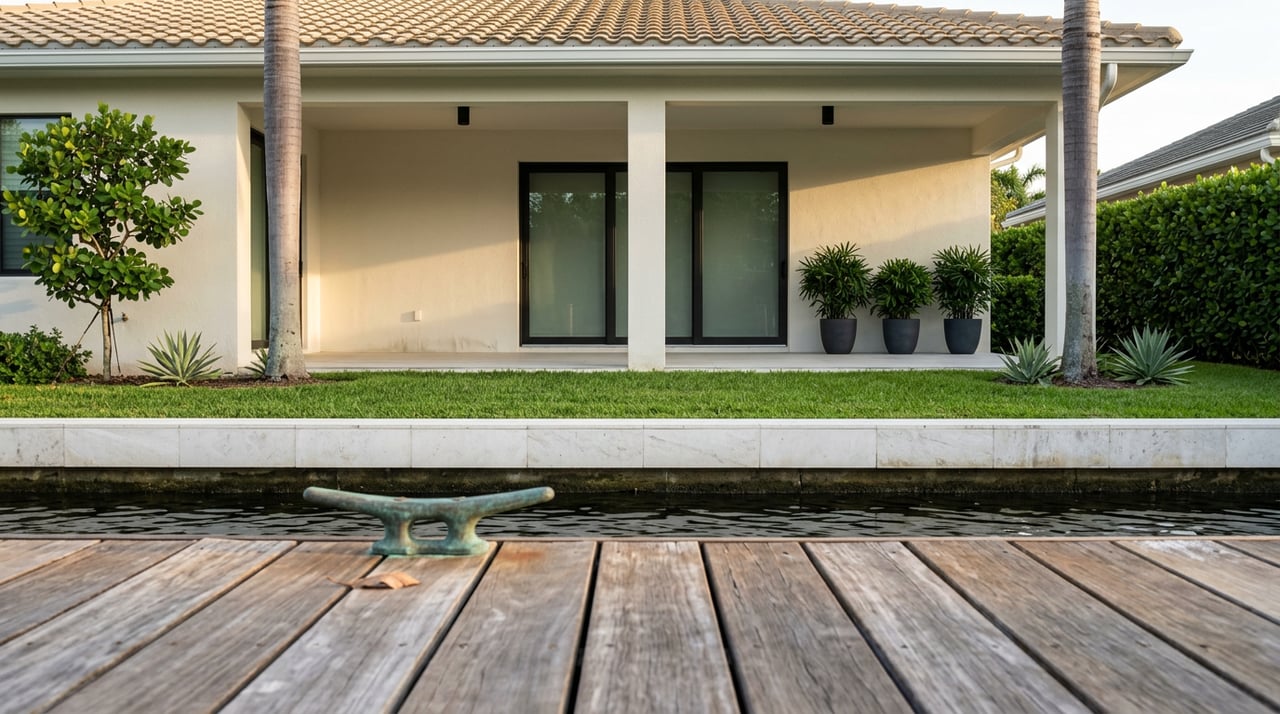
Parkland stands out because it is built to feel more residential and less commercial than many nearby Broward cities. According to the city’s FY2025 budget, about 83% of Parkland’s land use is residential, while only 1% is commercial.
That matters in everyday life. A city with this kind of land-use mix often feels quieter, more home-focused, and less crowded with retail and traffic-heavy corridors. Parkland’s official vision also describes the community as family-friendly, kind, and peaceful, which lines up with how the city has planned its growth.
Parkland Is Less Dense
If you are moving from Coral Springs or Coconut Creek, one of the first differences you may notice is space. Census QuickFacts shows Parkland at 2,772.9 people per square mile, compared with 5,878.0 in Coral Springs and 5,178.5 in Coconut Creek.
Lower density usually means a less packed-in feel on local streets and within residential areas. It can also shape how neighborhoods look and function, especially if you value more separation between homes and a calmer pace.
Owner-Occupied Homes Shape the Market
Parkland also has a much higher owner-occupied housing rate than some nearby cities. Census data shows Parkland at 85.1% owner-occupied, compared with 60.3% in Coral Springs and 64.8% in Coconut Creek.
For you as a buyer, that can signal a market centered more around long-term homeownership. It may also influence neighborhood turnover, maintenance patterns, and the overall feel of residential streets. While every neighborhood is different, the citywide data points to a strong ownership profile.
What Homes in Parkland Tend to Look Like
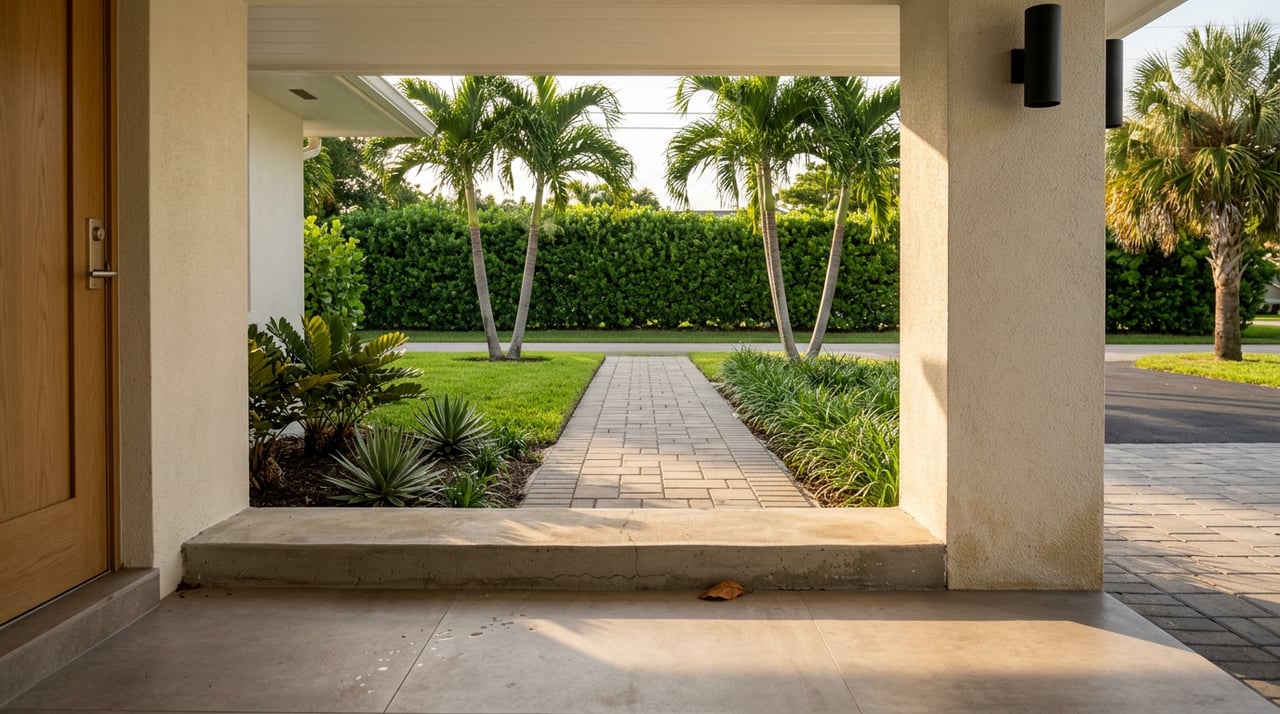
Parkland’s housing mix leans heavily toward detached homes. The city’s FY2025 budget says 92% of its housing stock is single-family, with only small shares of condominiums and multifamily housing.
That is a key difference if you are coming from an area with more condos, apartments, or attached townhome options. In practical terms, your search in Parkland is more likely to focus on single-family homes in lower-density neighborhoods, including communities with HOA structures.
Expect More Single-Family Options
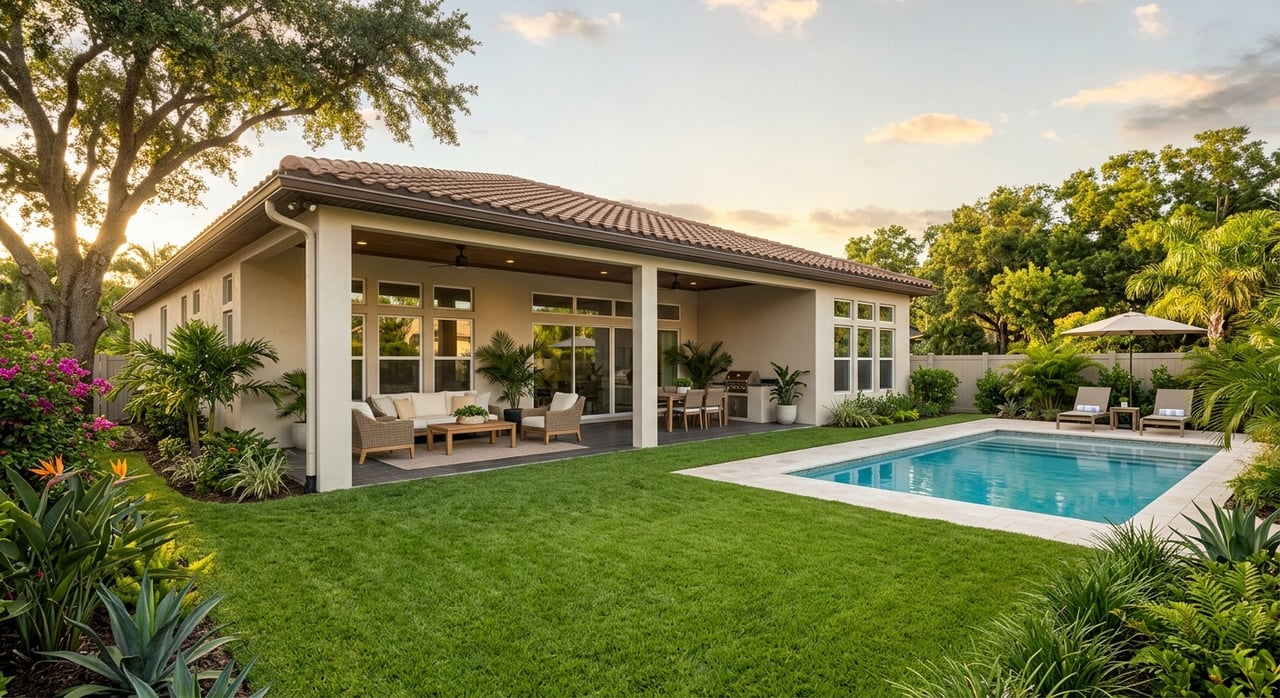
Because single-family homes dominate the housing stock, Parkland often appeals to buyers who want more private outdoor space and a more traditional suburban layout. If that is your goal, the city’s housing profile supports it.
At the same time, this also means you may find fewer attached-home choices than in other parts of Broward. If you are open to multiple property types, that is an important adjustment to make before you start your search.
Some Areas Feel Newer
City planning and budget materials show that Parkland still has build-out capacity and vacant residential land remaining. That helps explain why some parts of the city can feel newer or more master-planned than older nearby suburbs.
If you like the idea of newer-feeling streetscapes or communities shaped by more recent development patterns, Parkland may check that box. It is one of the reasons the city can feel distinct even if you are moving only a short distance within Broward County.
What the Price Difference Tells You
One of the clearest signals in the data is home value. Census QuickFacts places Parkland’s median owner-occupied home value at $983,000, compared with $545,400 in Coral Springs and $309,600 in Coconut Creek.
That does not mean every home in Parkland is priced the same way, but it does show the overall market sits at a higher level. For many buyers, that price gap reflects paying for more space, more privacy, a more residential setting, or a combination of all three.
Commuting in Parkland Is Car-Centered
If you are considering a move to Parkland, transportation is worth thinking through carefully. The city’s transportation element says there are no airports, ports, or rail lines within city limits.
Parkland connects mainly through roads, with the Sawgrass Expressway along the southern border and US-441/SR-7 along the eastern border. Most roads within the city are two-lane local or county roads, which reinforces a routine built around driving.
Your Daily Drive May Be Slightly Longer
Parkland’s mean travel time to work is 32.5 minutes. That compares with 29.9 minutes in Coral Springs, 29.6 minutes in Coconut Creek, and 29.1 minutes across Broward County.
The gap is not dramatic, but it can matter in your weekly routine. A move to Parkland may add a few minutes to the average commute, so it helps to think about your common routes before making a decision.
Route Planning Matters Here
Recent city and Florida Department of Transportation road projects also show how important vehicle flow is in Parkland. The city is tracking a multi-year Loxahatchee Road improvement project, including roundabouts at Parkside Drive, University Drive, and Nob Hill Road.
For you, that means daily convenience often comes down to knowing your routes and building in a little buffer time. Parkland can be a great fit if you are comfortable with a driving-based routine and value the residential setting enough to accept that trade-off.
Parks and Outdoor Space Are a Major Advantage
One of Parkland’s biggest lifestyle strengths is its park system. The city lists 11 parks and pathways, including Pine Trails Park, Terramar Park, Covered Bridge Park, Liberty Park, Barkland Dog Park, the Equestrian Center at Temple Park, Doris Davis Forman Wilderness Preserve, and Wedge Preserve Park.
The city also notes that trails are open from sunrise to sunset. If outdoor time matters to you, this is a meaningful part of what Parkland offers day to day.
Recreation Goes Beyond Green Space
Parkland is not just quiet neighborhoods and parks. The Parkland Recreation and Enrichment Center at Pine Trails Park is a 24,700-square-foot facility that serves as home to more than 100 programs for toddlers, youth, teens, adults, and seniors.
That gives the city a stronger activity base than some people expect. If you want a quieter residential setting without giving up access to organized programs and community spaces, Parkland offers both.
The Natural Setting Adds to the Appeal
Parkland stretches west from SR-7/US-441 to the Everglades and north from the Sawgrass Expressway to Loxahatchee Road. The city also states that protecting its unique character and natural environment is part of its mission.
For buyers who value trails, preserves, and a suburban edge near open land, that geography can be a real draw. It adds to the sense that Parkland offers a different pace than more built-up nearby areas.
Comparing Parkland to Nearby Broward Cities
If you are moving from Coral Springs, Coconut Creek, or another nearby city, the choice often comes down to trade-offs. Parkland tends to offer a lower-density setting, a heavier single-family housing mix, and a stronger owner-occupied profile.
Nearby cities may offer denser housing patterns and slightly easier average commutes. Parkland, on the other hand, may be a better fit if your top priorities are residential calm, detached-home living, and access to parks and trails.
Who Parkland May Fit Best
Parkland may be worth a closer look if you want your next move to feel like a lifestyle shift, not just a new address. Buyers often focus on Parkland when they want more space, a quieter setting, and a market centered on single-family homeownership.
It can also make sense if you are comfortable driving for most daily trips and you value outdoor amenities. The right fit depends on how you balance home style, budget, commute, and day-to-day routine.
If you are comparing Parkland with other Broward options, a local, neighborhood-level conversation can help you narrow down what matches your goals. If you want help exploring homes, comparing nearby areas, or understanding how Parkland fits your budget and priorities, connect with Max C&T Realty.
FAQs
What makes Parkland different from Coral Springs or Coconut Creek?
- Parkland is less dense, more owner-occupied, and much more focused on single-family residential living than Coral Springs or Coconut Creek, based on city and Census data.
What type of homes are most common in Parkland?
- Parkland’s housing stock is mostly single-family homes, with 92% of homes classified that way in the city’s FY2025 budget.
Is commuting from Parkland harder than from nearby Broward cities?
- Parkland’s average commute is a few minutes longer than Coral Springs, Coconut Creek, and Broward County overall, and the city is strongly car-dependent.
Does Parkland have many parks and recreation options?
- Yes. Parkland lists 11 parks and pathways, and the Parkland Recreation and Enrichment Center offers more than 100 programs for different age groups.
Is Parkland mainly residential?
- Yes. The city’s FY2025 budget shows about 83% residential land use and only 1% commercial land use, which supports its quieter suburban feel.